
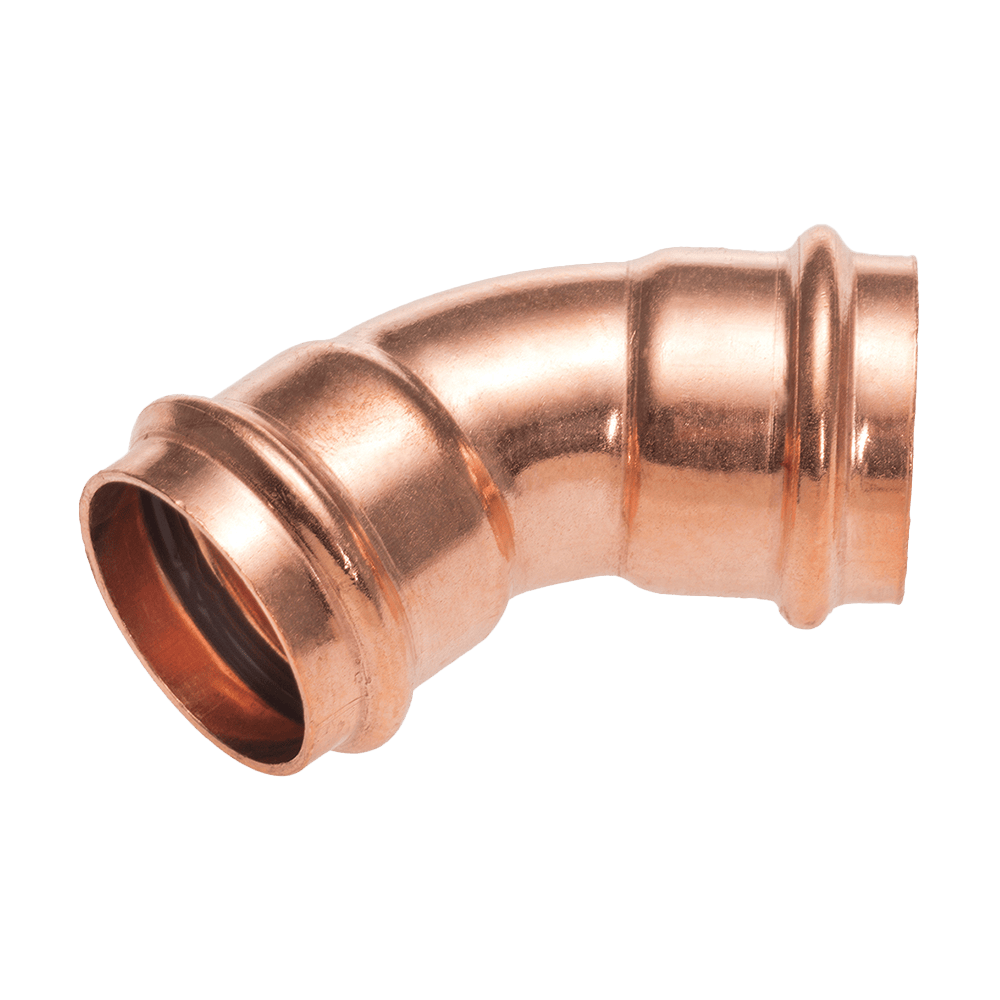
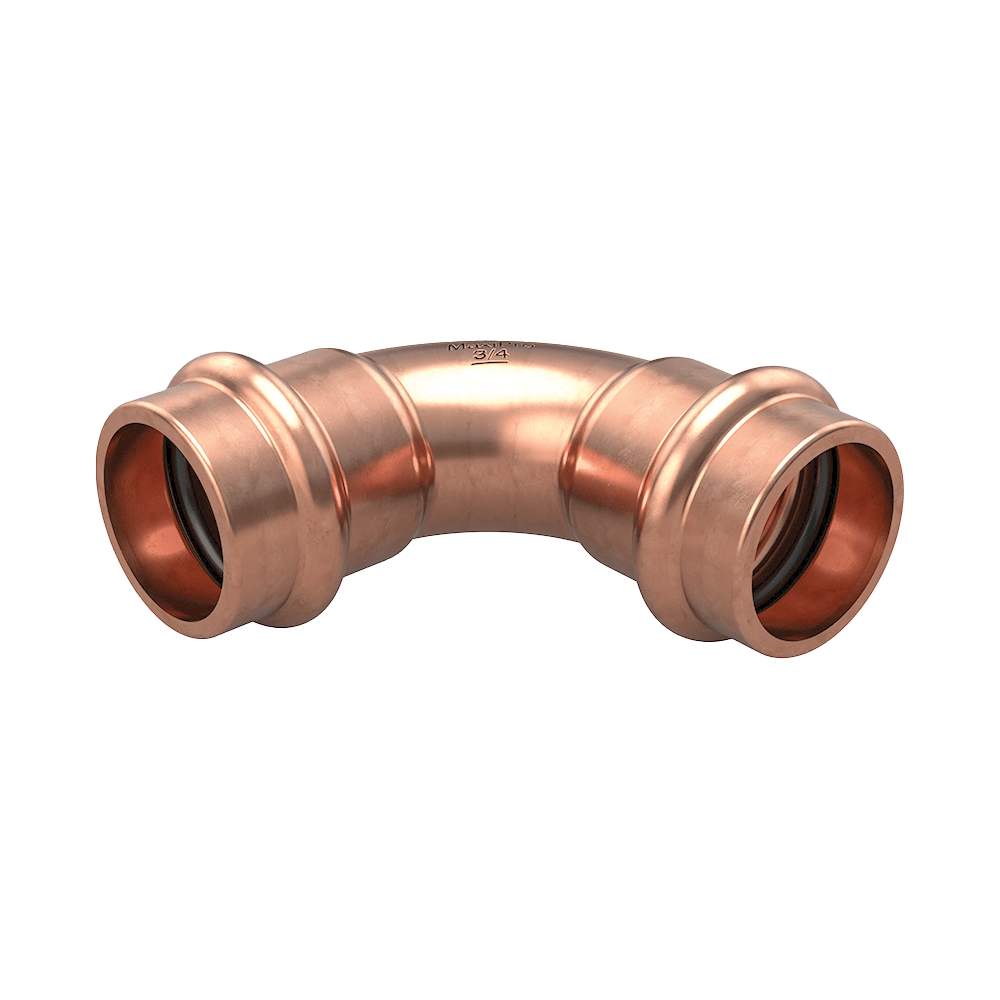
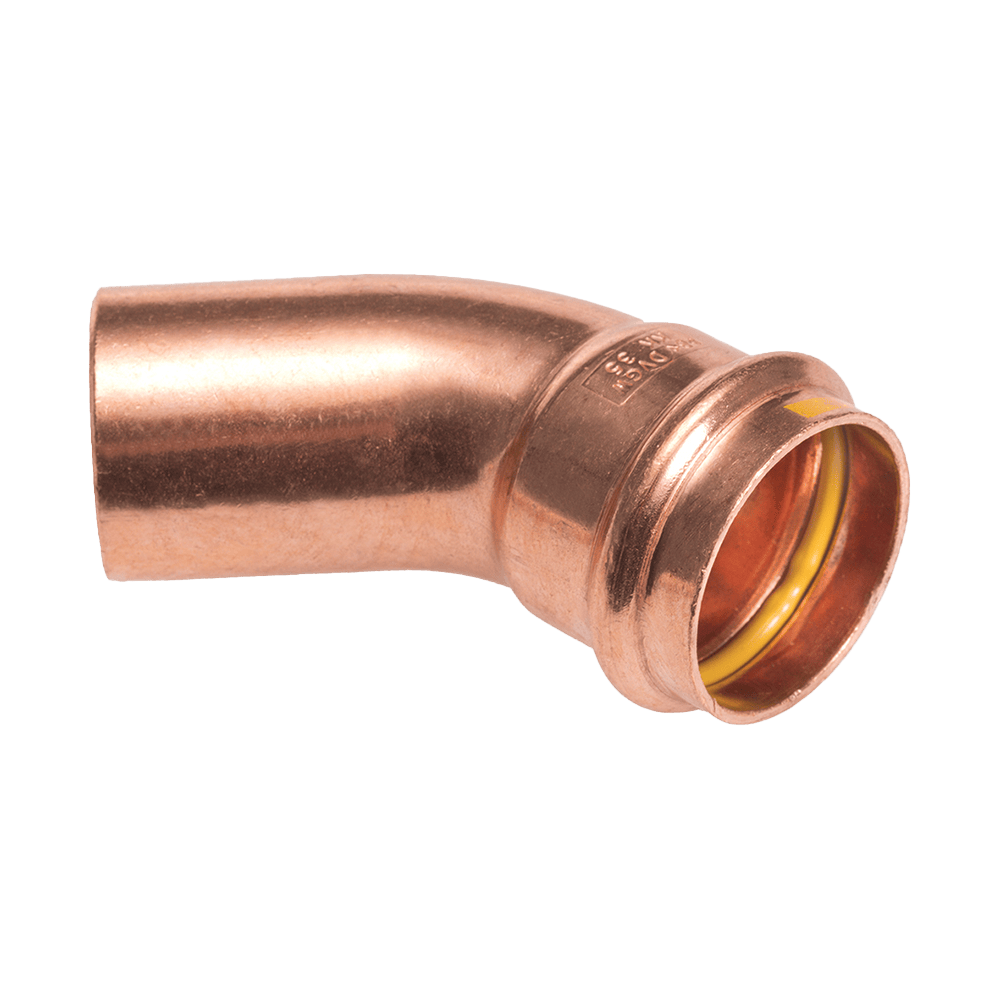
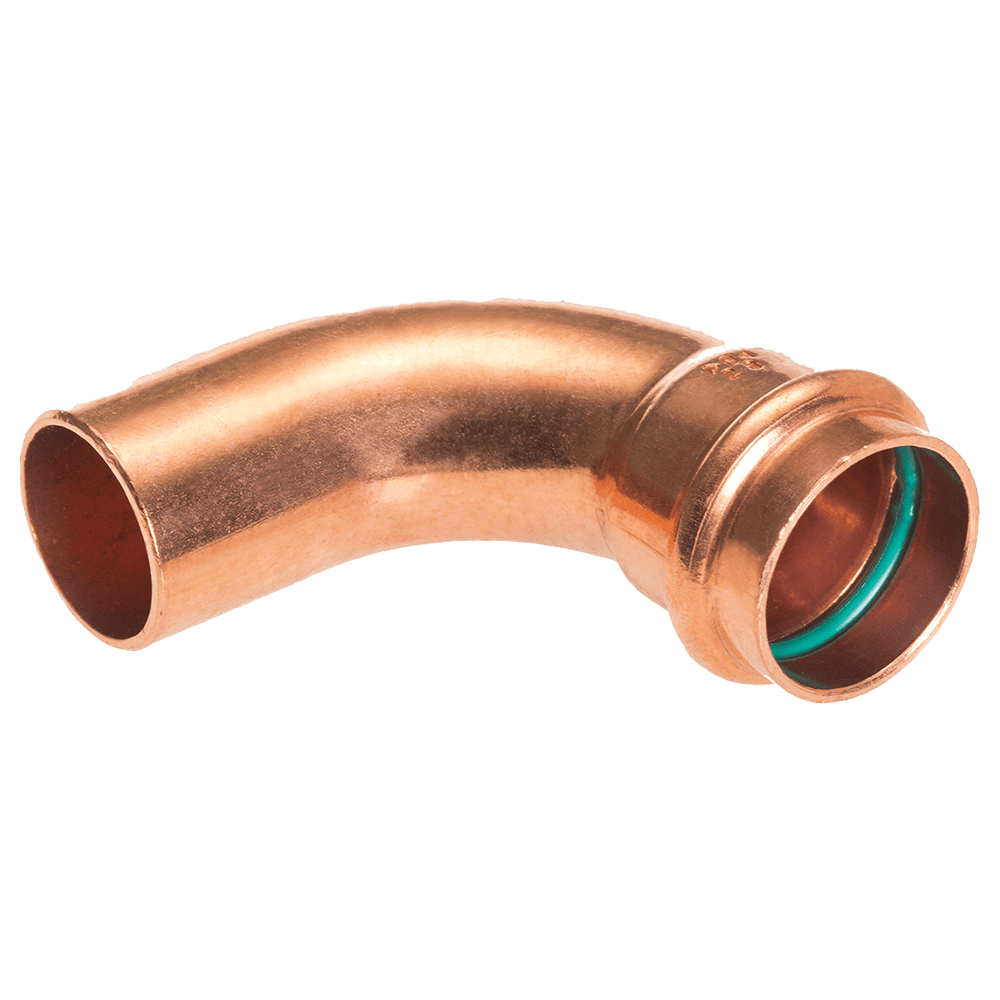

Can mistakes occur when pressing fittings?
Even the best solutions – including those from Conex Bänninger – require understanding of the rules, the right tools, and awareness that details matter.
So how do you correctly install press fittings and avoid the most common mistakes?
1. Choose the right tools
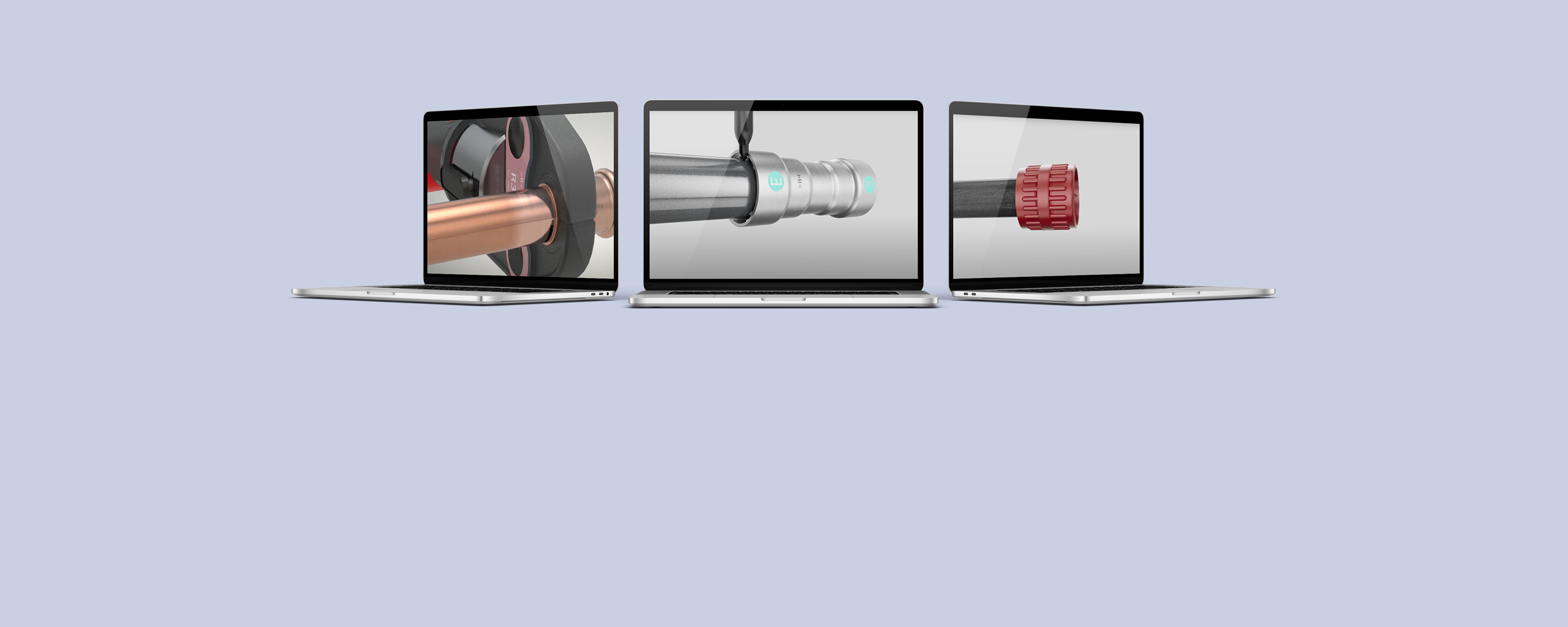
It may seem obvious, but many pressing issues come from using unsuitable equipment. It’s essential to check whether your press tool and jaws are approved for use with the specific system.
Make sure that:
-
you are using a press tool compatible with the system – the technical catalogues available at
https://conexbanninger.com/pl/serie-produktowe/press/
include lists of certified and compatible tools, -
the jaws have the correct profile (e.g. B, M, etc.) – a different profile can cause leaks, microcracks or damage to the fitting,
-
the jaw diameter matches the diameter of the fitting,
-
press tools have up-to-date servicing, and jaws are not worn.
If your tools haven’t been serviced for several months – it’s time to do it.
2. Prepare the tube properly
Correct preparation of the tube is the foundation of a tight and durable joint.
Start with a clean, straight cut. There is no room for rushing – a crooked cut can affect the compression and integrity of the joint.
Next, you must deburr the tube – both the inner and outer edges. This is not an unusual requirement. Sharp edges can damage the O-ring inside the fitting, causing leaks weeks later, once the installation is already in operation.
3. Insert the tube to the correct depth – carefully
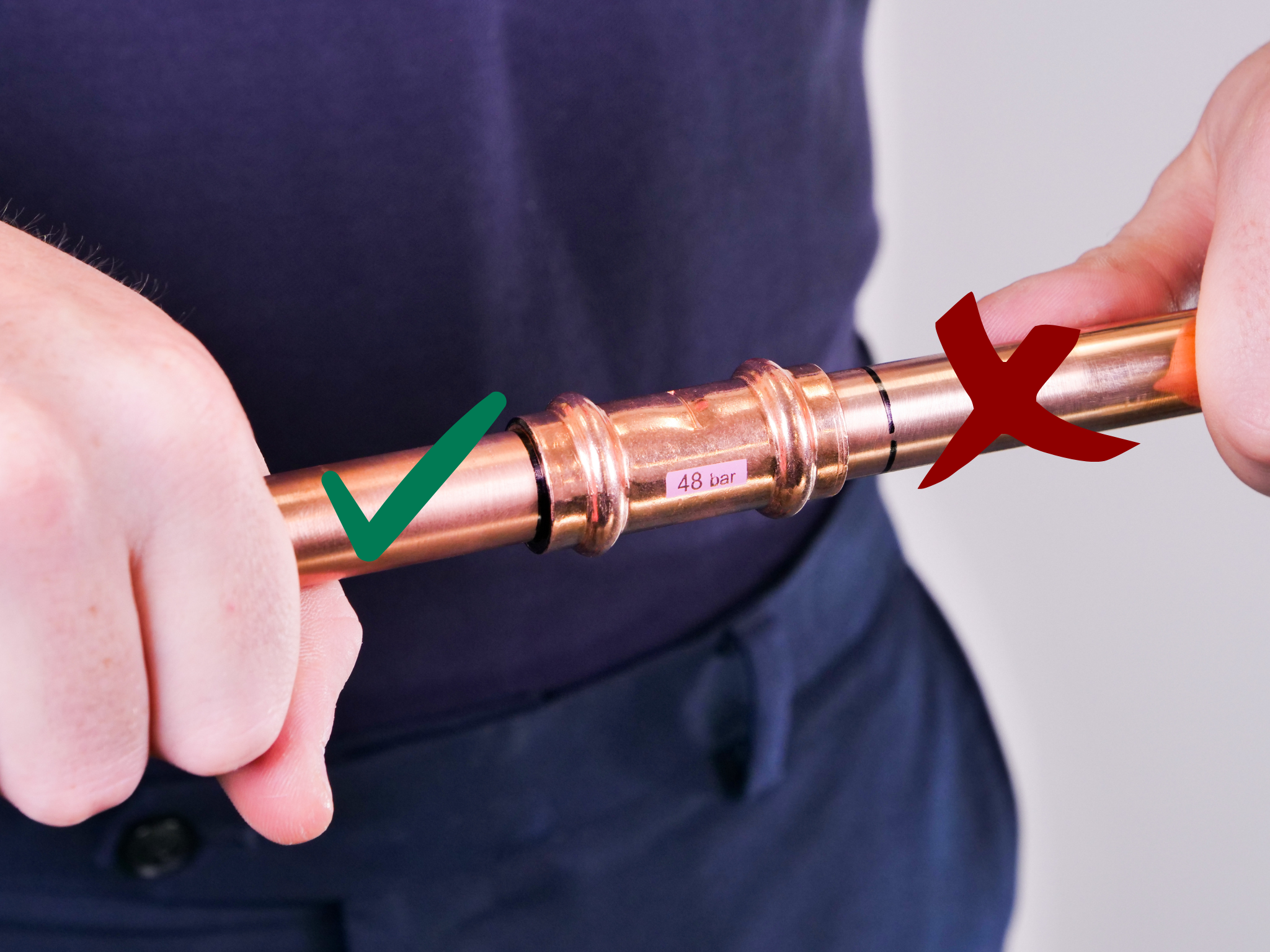
The tube must be inserted up to the stop – to the marked insertion depth.
Too shallow means insufficient contact with the sealing ring.
Too deep means risk of damaging the O-ring.
Don’t guess – measure!
If the system provides or requires a depth gauge or marking tool, use it.
Cleanliness matters too. The tube should be dry, clean, and free from oil, rust or construction dust. Even small contamination can compromise the joint.
4. Press only once – and in the correct place
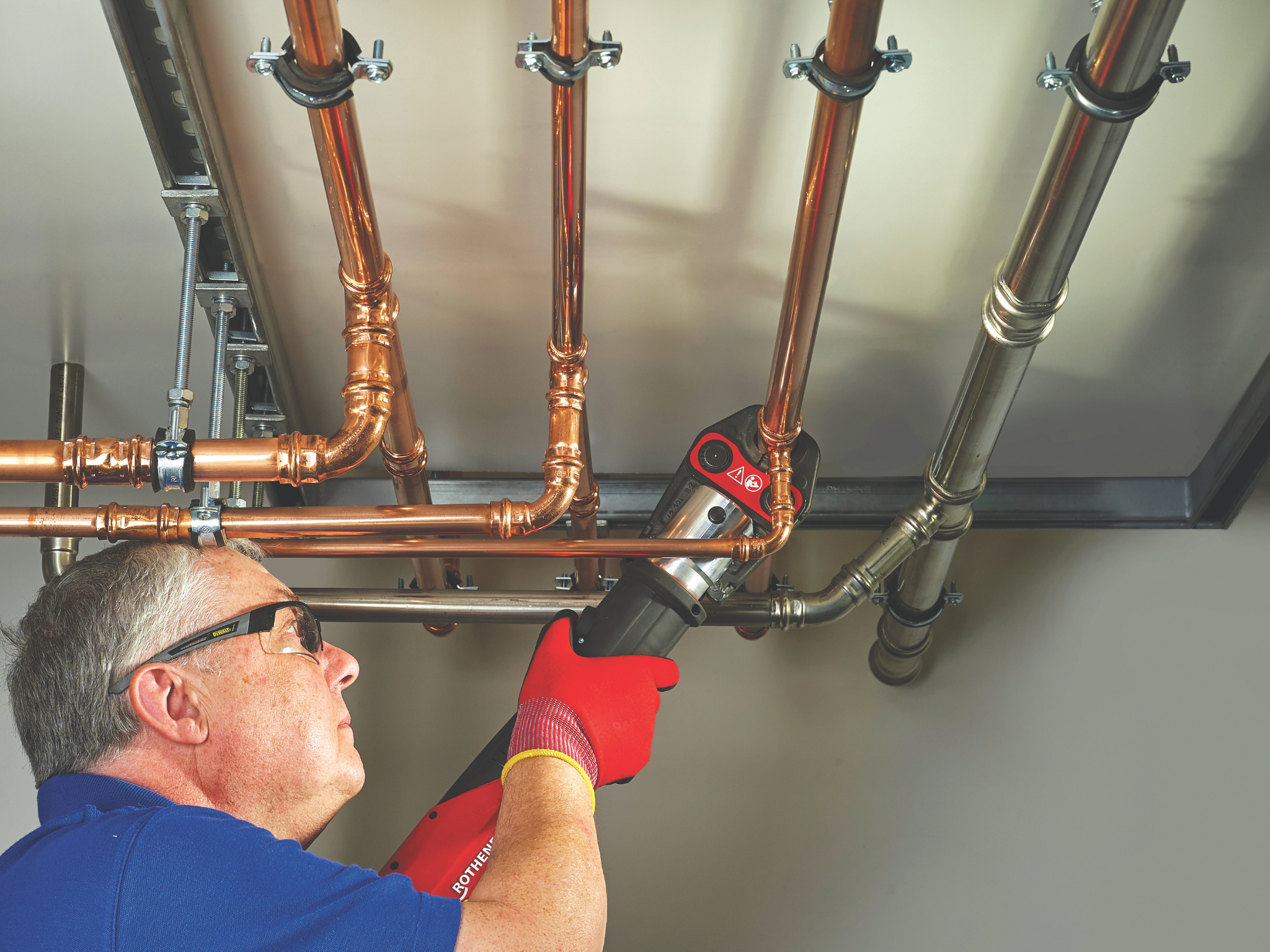
When pressing, position the jaw exactly on the bead of the fitting. The bead must match the jaw profile perfectly.
Incorrect jaw placement can deform the fitting or result in insufficient compression.
Remember:
You press each fitting only once.
If something goes wrong, do not try to re-press the same joint – the fitting must be replaced.
Never attempt to:
-
“correct” a pressed joint,
-
press the same fitting twice,
-
press using a jaw with the wrong profile.
5. After installation – inspection is essential
Verify that all joints have actually been pressed and none were left unpressed (e.g. a forgotten fitting at the end of a line).
Then carry out a proper leak test, following the system’s specification and applicable standards.
Only such a test gives full confidence that everything is installed correctly.
Beware of counterfeits – only certified fittings ensure safety
Unfortunately, counterfeit press fittings do appear on the market. They may look similar, but:
-
lack required certifications (e.g. DVGW, WRAS),
-
are not tested according to European standards,
-
may not withstand the working pressure or temperature.
Always use genuine Conex Bänninger products, which meet strict standards and are approved for water, gas, heating and refrigeration systems.
What press systems does Conex Bänninger offer?
Depending on the application, Conex Bänninger offers complete, certified press-fit systems:
-
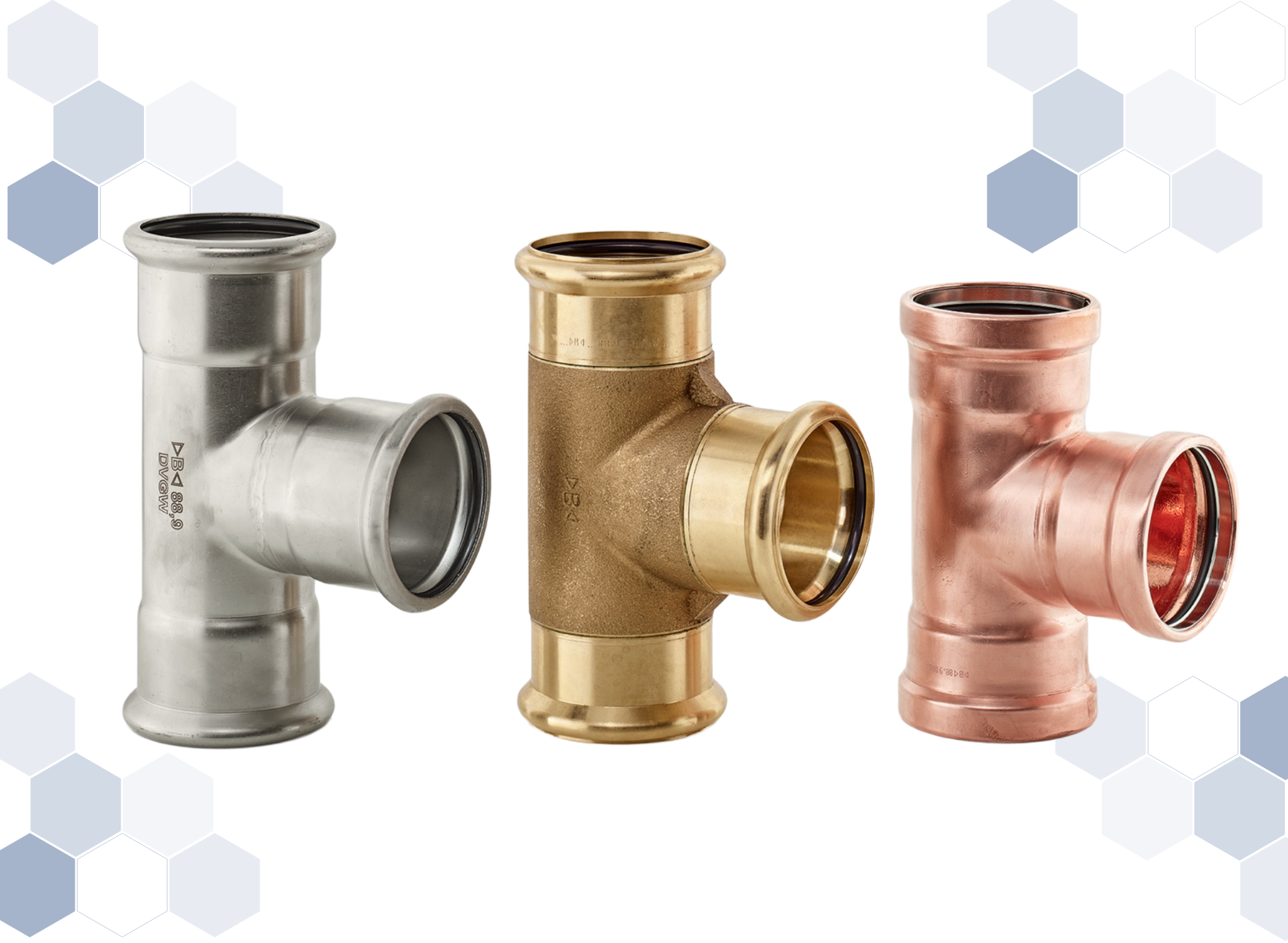
>B< Press – for water and heating installations (copper and red brass).
-
>B< Press Gas – for gas installations (copper and red brass), meeting strict safety standards.
-
>B< Press Inox – stainless steel fittings for water, heating and industrial installations.
-
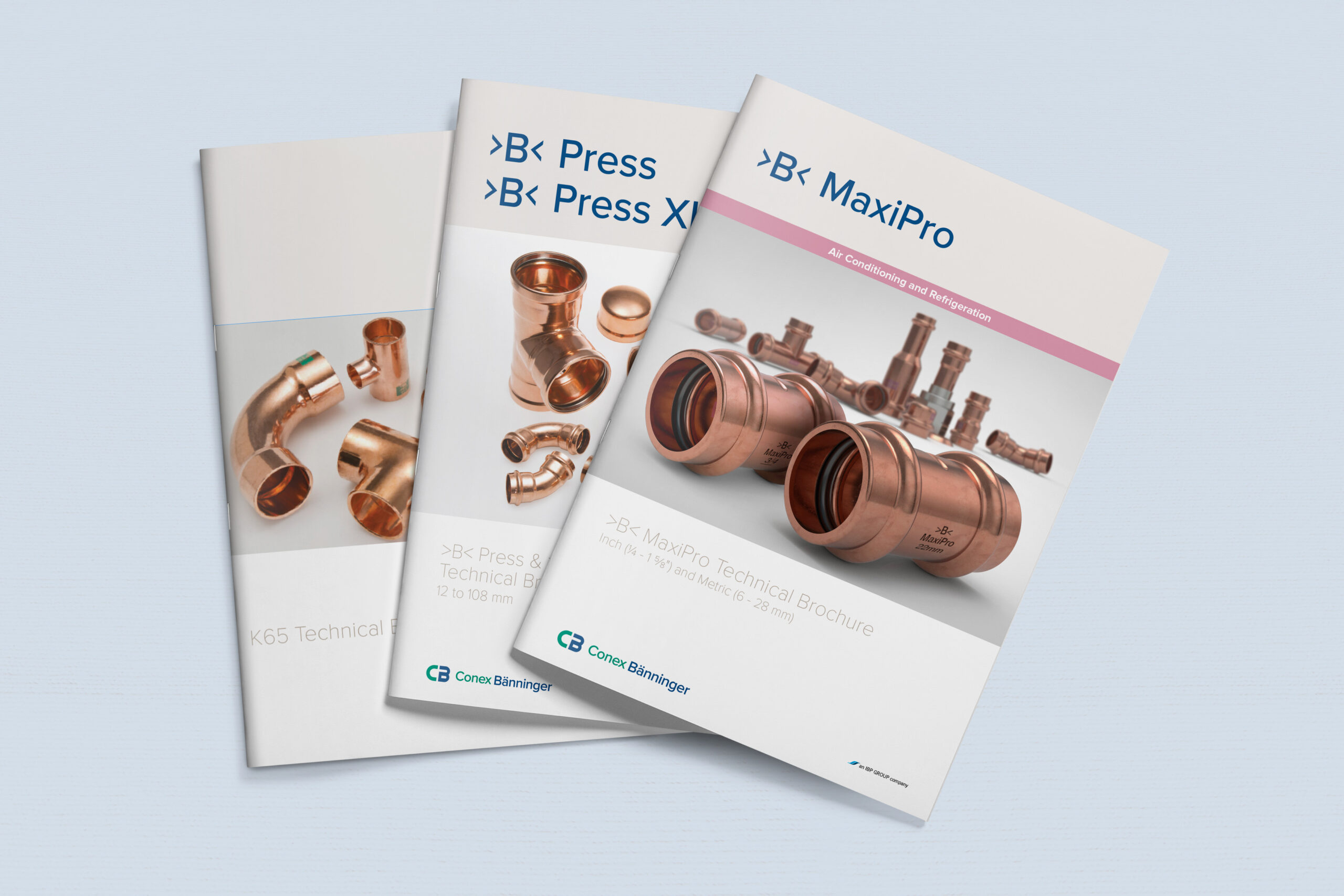
>B< MaxiPro – for refrigeration and air conditioning, ideal for refrigerants and pressures up to 48 bar.
Each system comes with full technical documentation, support and access to installer training.
Explore Conex Bänninger press fittings: Press fittings (link)
Related News
News
30 Jun 2026
How to choose the right press jaws and press tool for press systems
News
01 Jun 2026
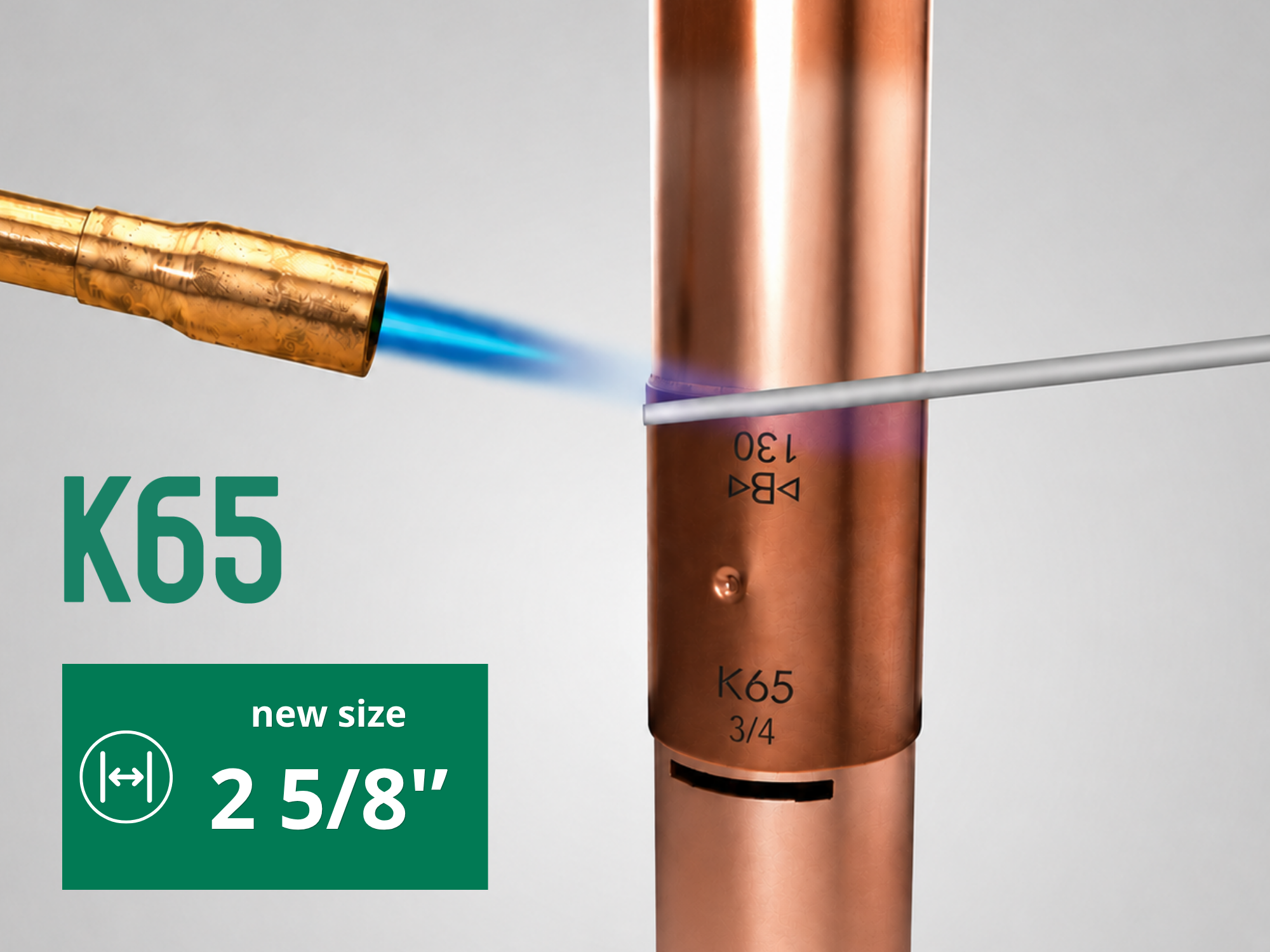
K65 in 2 5/8″ size – new opportunities for large CO₂ installations
News
30 Apr 2026