
How to choose the right press jaws and press tool for press systems
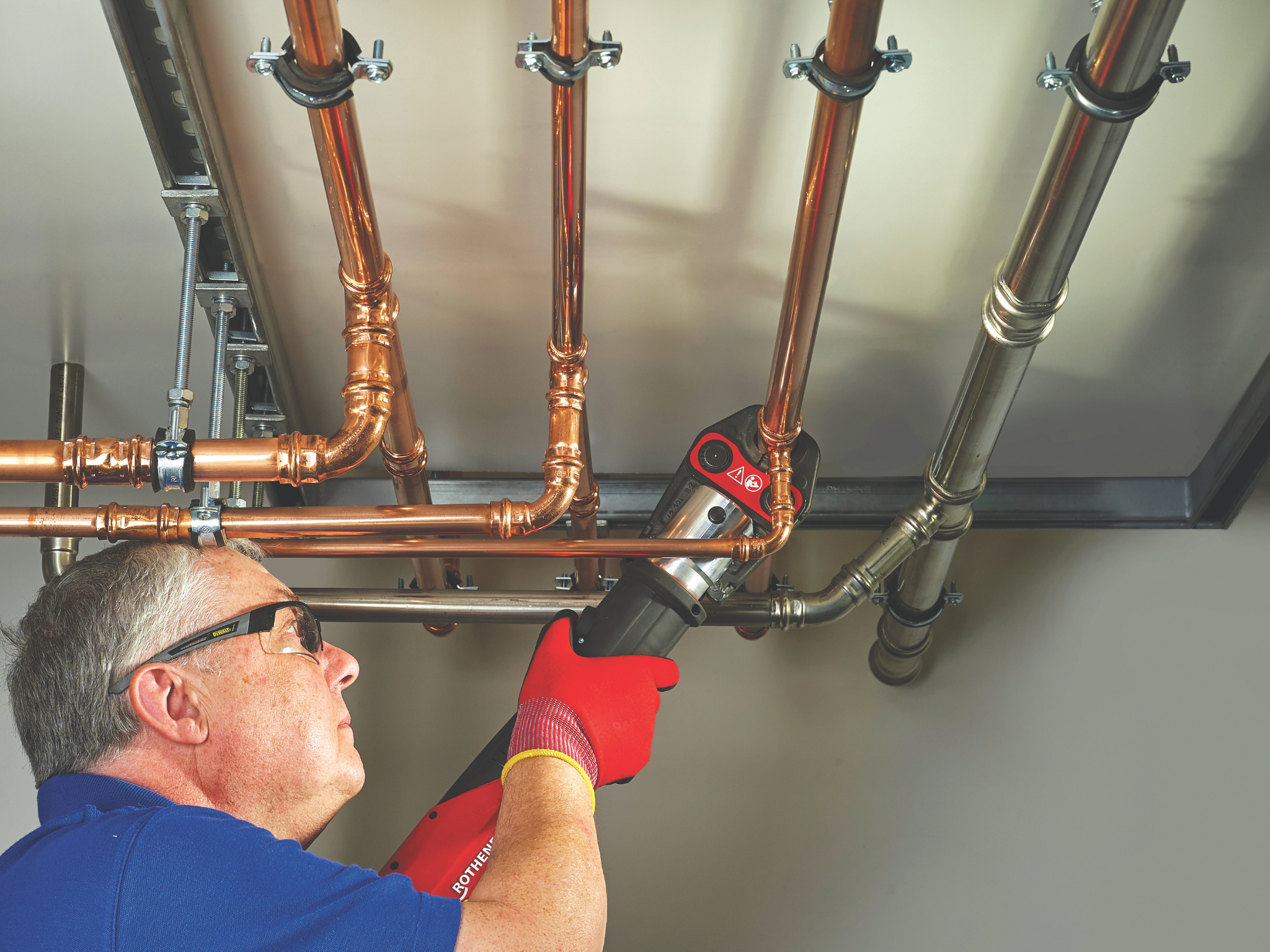
Press-fit technology has transformed the way modern pipework is installed. Fast installation, no hot works, and consistently reliable joints have made it the preferred solution for many plumbing, heating, cooling and refrigeration applications.
However, there is one essential requirement: the press tool and jaws must be fully compatible with the press-fit system being installed. The jaw profile, press tool specifications and compliance with the system manufacturer’s requirements directly affect the integrity and long-term reliability of every joint.
A leak-tight connection is achieved through the controlled deformation of both the fitting and the pipe during the pressing process. This deformation must precisely match the geometry specified by the manufacturer for the particular press-fit system.
Why is correct tool selection so important?
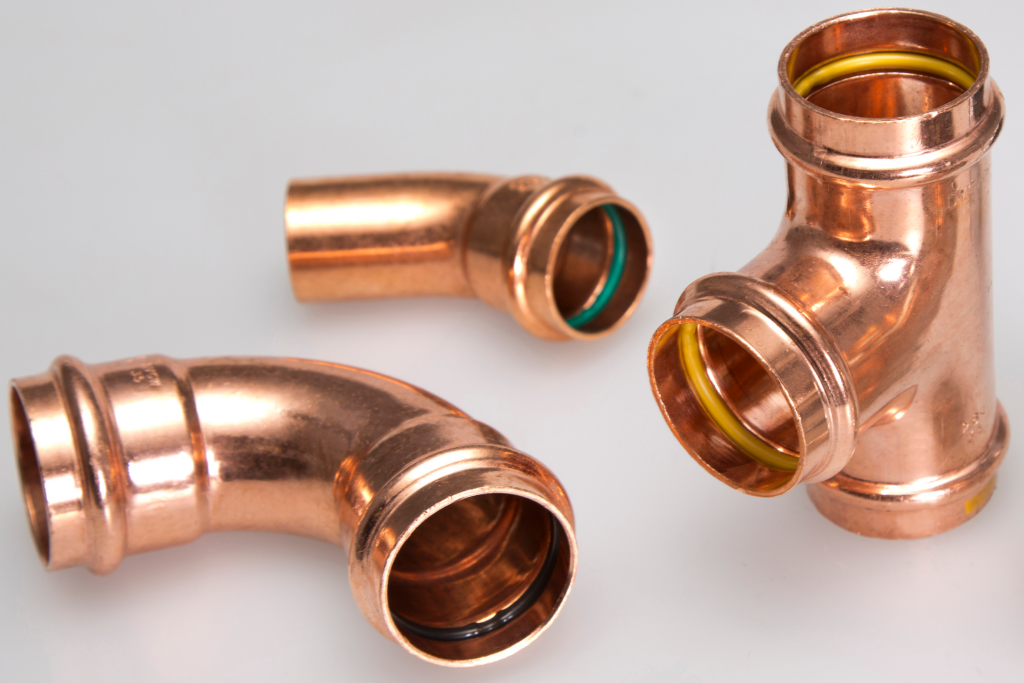
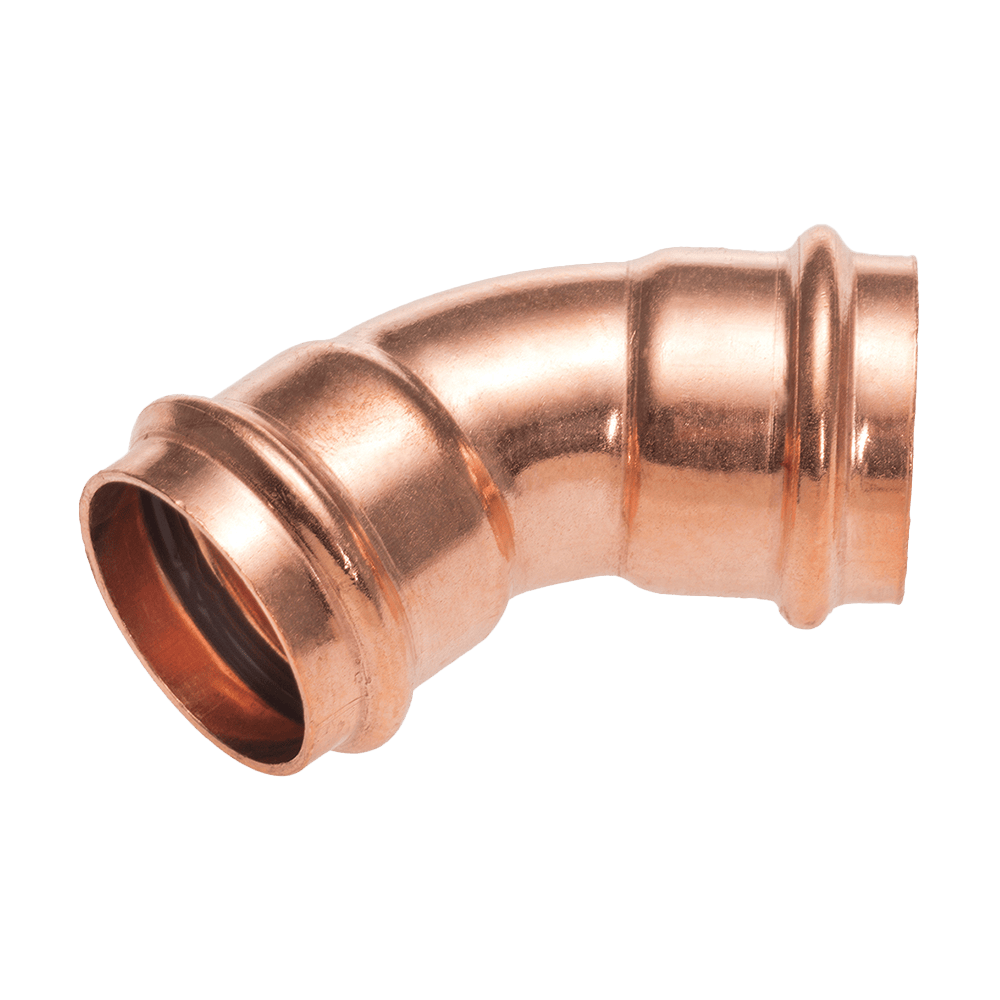
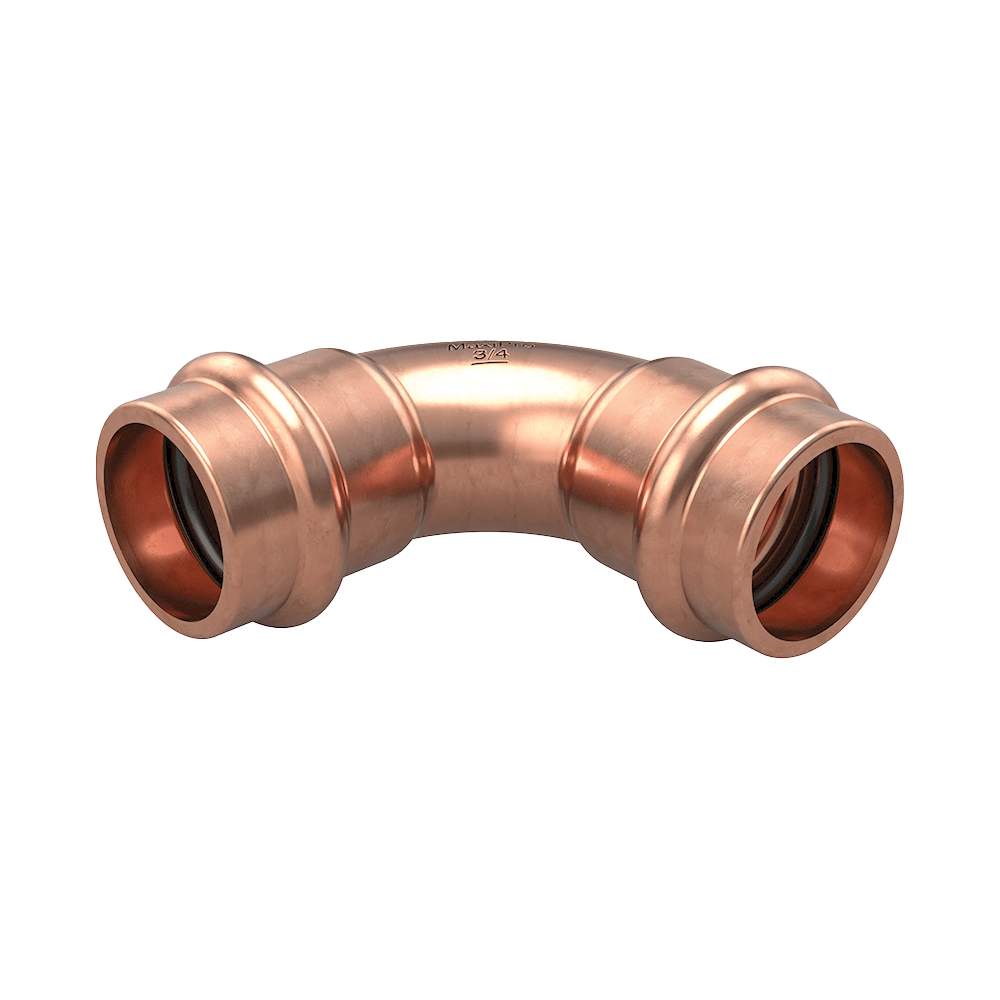
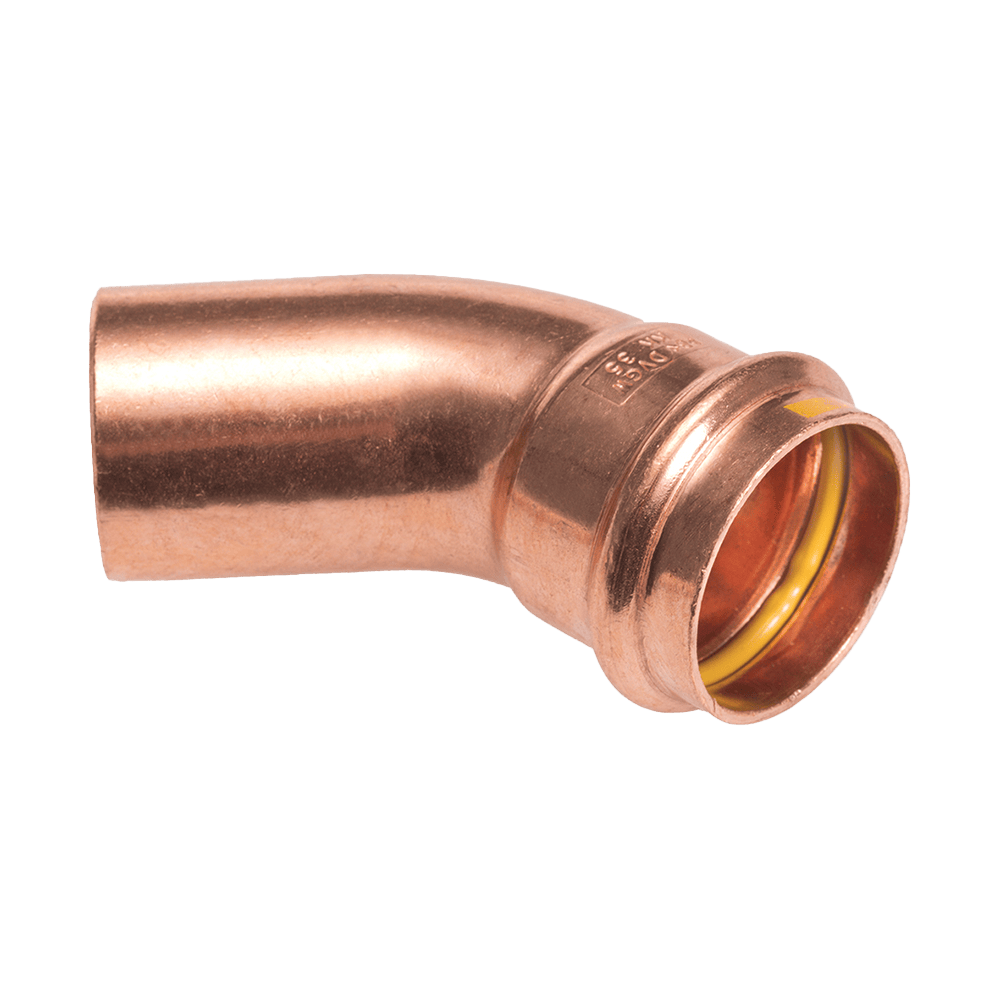
A press fitting is a precision-engineered component. During pressing, the fitting is permanently deformed into a predefined profile, creating a mechanical joint while compressing the sealing element. Even small deviations in the pressing profile can compromise joint performance.
Using jaws with the wrong profile or diameter may result in:
- immediate or delayed leaks caused by incorrect deformation of the fitting,
- loss of the manufacturer’s warranty, as most manufacturers require the use of approved and certified pressing tools,
- replacement of the fitting, since an incorrectly pressed joint cannot be corrected by pressing it again. Once incorrectly pressed, the fitting must be removed and replaced with a new one.
For this reason, selecting the correct press tool is not simply good practice – it is a technical requirement for a compliant installation.
Choosing a press tool – what to consider
Not every press tool is suitable for every press-fit system. Several technical parameters should always be verified before selecting equipment.
Pressing Force (kN) This is the most important technical specification. Mini press tools (up to 28 mm) typically require a pressing force of 19 kN, while larger tools designed for pipe sizes up to 54 mm or 108 mm, depending on the system, require at least 32 kN.
Cordless or mains powered? Cordless press tools provide excellent mobility on construction sites and during service work. Mains-powered units are generally heavier but deliver continuous power, making them suitable for high-volume installations and larger pipe sizes.
Full cycle completion indicator This is a feature that should never be overlooked. Modern press tools automatically complete the pressing cycle and provide an audible or visual signal when the cycle has finished successfully. Interrupting the pressing cycle before completion remains one of the most common installation mistakes.
Jaw compatibility Not every press tool accepts every manufacturer’s jaws. Before purchasing equipment, verify that the press tool is approved for use with the jaw sets specified for the press-fit systems you install. Technical catalogues available at conexbanninger.com include compatibility tables listing approved press tools and jaw sets for each Conex Bänninger system.
Press jaw profiles – what Do B (V), M, TH and U mean?
Jaw profiles are among the most confusing aspects of press-fit technology for installers who are new to pressing systems. The profile designation is not arbitrary—each letter represents a specific pressing geometry designed for particular fitting systems.
The most common profiles include:
- B (V) – primarily used for copper press-fit systems
- M – commonly used for stainless steel systems and larger XL diameters
- U, TH and H – typically used with multilayer pipe systems
Important:
The jaw profile must always match the fitting system specified by the manufacturer. Profiles are not interchangeable.
Choosing the correct diameter – understanding compatibility tables
Manufacturers, including Conex Bänninger, publish compatibility tables that specify approved tooling for each press-fit system.
These tables typically identify:
- approved press tool manufacturers (for example Rems, Rothenberger, Novopress and Klauke),
- the required jaw or sling type for each pipe diameter,
- the correct pressing profile.
Example – >B< Press
| Pipe Size | Profile | Tooling |
| 15–54 mm | B | Standard press jaws |
| 64–108 mm | BXL | XL press slings with adapter |
Important: Copper, carbon steel and stainless steel systems from the same manufacturer may require different jaw profiles. Never assume that tooling used for >B< MaxiPro will also be suitable for >B< Press Inox.
XL Press Fittings – different rules apply
Large-diameter press fittings require different tooling and installation procedures.
Higher operating loads and different pressing geometries mean that larger fittings cannot simply be pressed using oversized standard jaws.
In practice this means:
- XL fittings use press slings rather than conventional press jaws to distribute force evenly around the fitting.
- The required pressing profile differs from standard sizes and must always follow the manufacturer’s compatibility table.
- The press tool must deliver at least 32 kN of pressing force.
- Appropriate adapters are required to connect the press tool to XL press slings.
- Sufficient clearance around the fitting must be provided to allow the sling to rotate freely during pressing.
XL systems are compatible with tooling from manufacturers such as Rems, Novopress and Klauke, but only where approved within the manufacturer’s compatibility tables.
Common installation mistakes
Even experienced installers occasionally make mistakes when selecting or using pressing equipment.
The most common include:
Using incompatible press jaws Always verify compatibility before using jaws from another manufacturer.
Interrupting the pressing cycle The pressing cycle must always be completed. Stopping midway leaves the fitting partially pressed, potentially creating a joint that appears correctly installed but may leak under pressure.
Skipping regular tool servicing Press tools should be serviced at the intervals specified by the manufacturer to ensure reliable pressing performance.
Using worn or contaminated jaws Dirty or worn jaws can produce an incorrect pressing profile. Regularly clean the tooling, inspect it for wear and have the press tool serviced according to the manufacturer’s maintenance schedule—typically every 12 months or after a specified number of pressing cycles.
Failing to mark the pipe insertion depth Without correctly marking the insertion depth, the pipe may not be fully inserted into the fitting, resulting in an incorrectly pressed joint and possible leakage.
How to verify compatibility before installation
Before starting work, follow these simple steps:
Step 1
Identify the press-fit system you are using (for example >B< Press, >B< Press Inox or >B< MaxiPro).
Step 2
Consult the latest compatibility table available in the manufacturer’s technical catalogue.
Step 3
Confirm that your press tool appears on the list of approved tools for that system.
Step 4
If you do not own the required tooling, ask your distributor about tool hire options.
Step 5
If you have any questions, contact the manufacturer’s technical support team.
Conex Bänninger also offers free training courses for HVAC&R professionals using the >B< MaxiPro system. Certified training can help extend system warranties while demonstrating professional competence to clients and project stakeholders. Go to >B< MaxiPro training portal.
Using the wrong jaw profile, insufficient pressing force or incompatible tooling can compromise even the highest-quality installation.
The rule is simple: always verify that your press tool, jaws and accessories are fully compatible with the press-fit system before starting work.
Need help selecting the right tooling for your installation?
Contact your local Conex Bänninger technical/sales representative or visit conexbanninger.com to access the latest compatibility tables, technical catalogues and product documentation.
Related News
News
01 Jun 2026
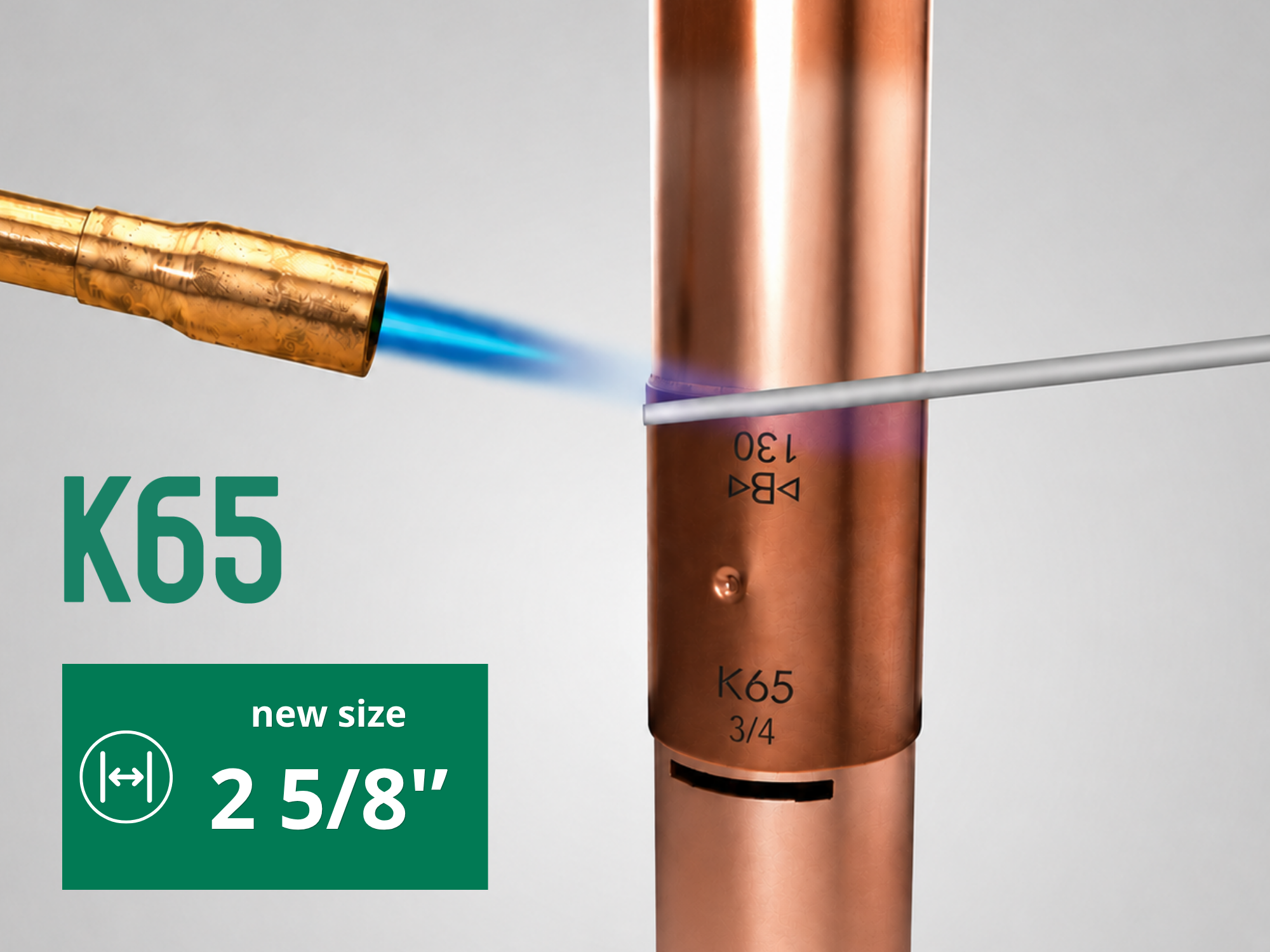
K65 in 2 5/8″ size – new opportunities for large CO₂ installations
News
30 Apr 2026