

How to choose fittings for a heating system?
Specificity of fittings in heating installations
Material:
Fittings used in heating installations can be made of copper, bronze, stainless steel, brass or plastics.
The choice of material depends on the type of heating medium, operating temperature and corrosion-resistance requirements.
-
Copper: Corrosion-resistant and an excellent heat conductor, but more expensive.
-
Bronze: Corrosion-resistant and more durable than brass.
-
Stainless steel: Corrosion-resistant, but conducts heat less effectively.
-
Brass: Good thermal conductivity, but can corrode in aggressive environments.
-
Plastics: The most economical option, but less resistant to high temperatures.
There are many solutions available on the market, but the right choice depends on the pipe material, medium used, operating temperature and installation conditions.
This is why, in heating installations, it is essential to understand the differences between Conex Bänninger systems such as >B< Press, >B< Press Carbon, >B< Press Inox 316, <A> Press Inox 304, >B< Flex, Series 5000 and Series 4000.
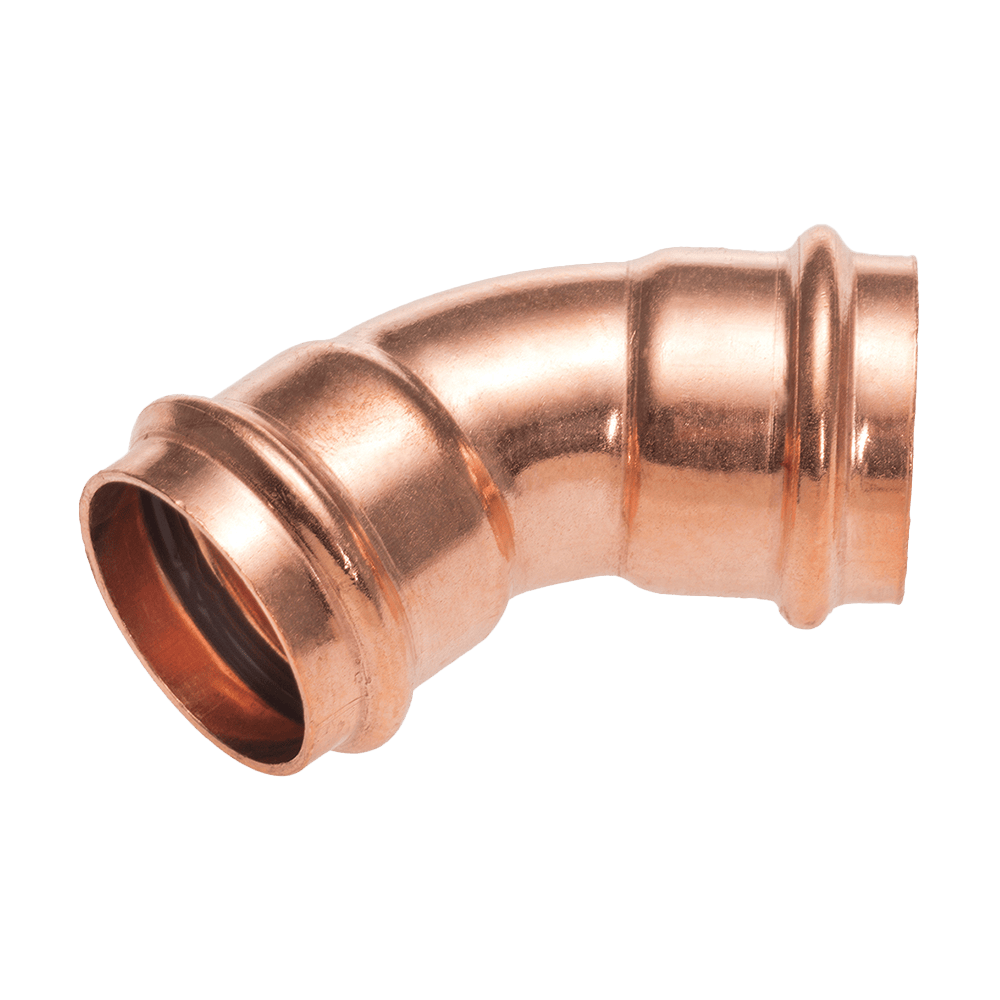
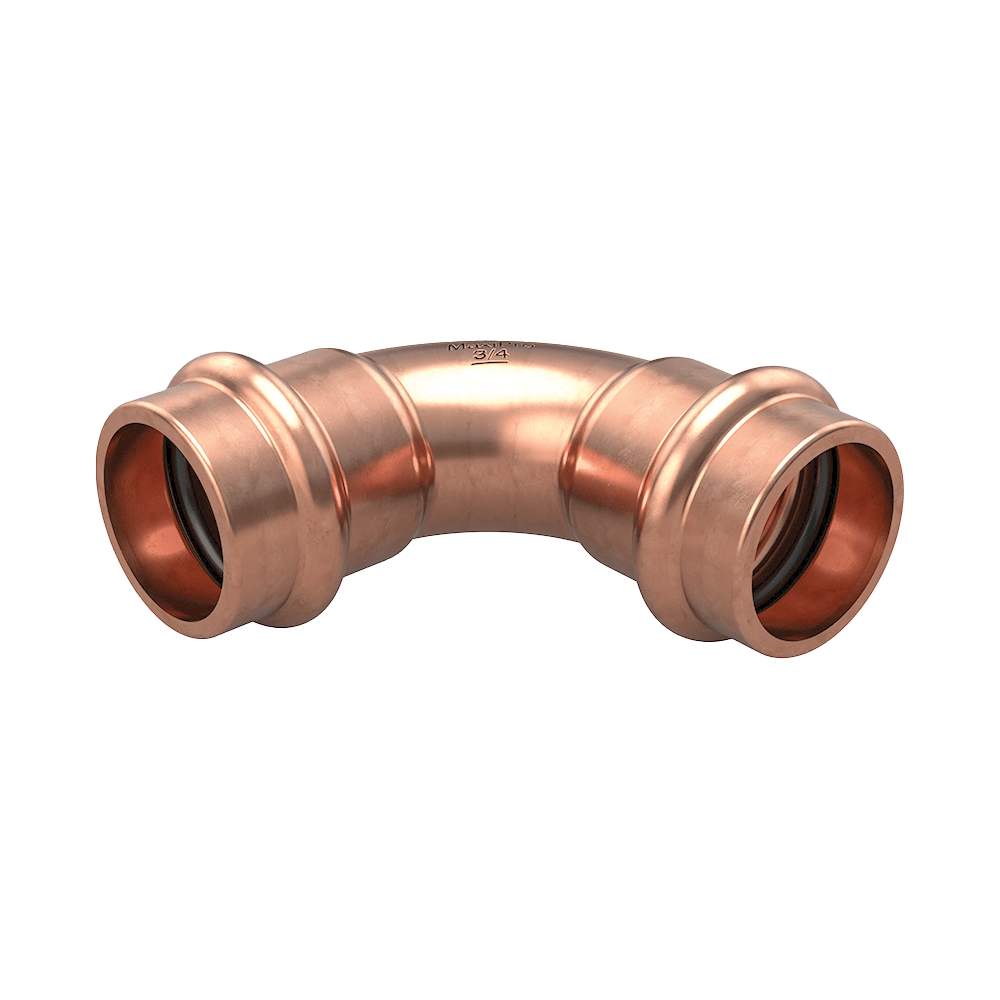
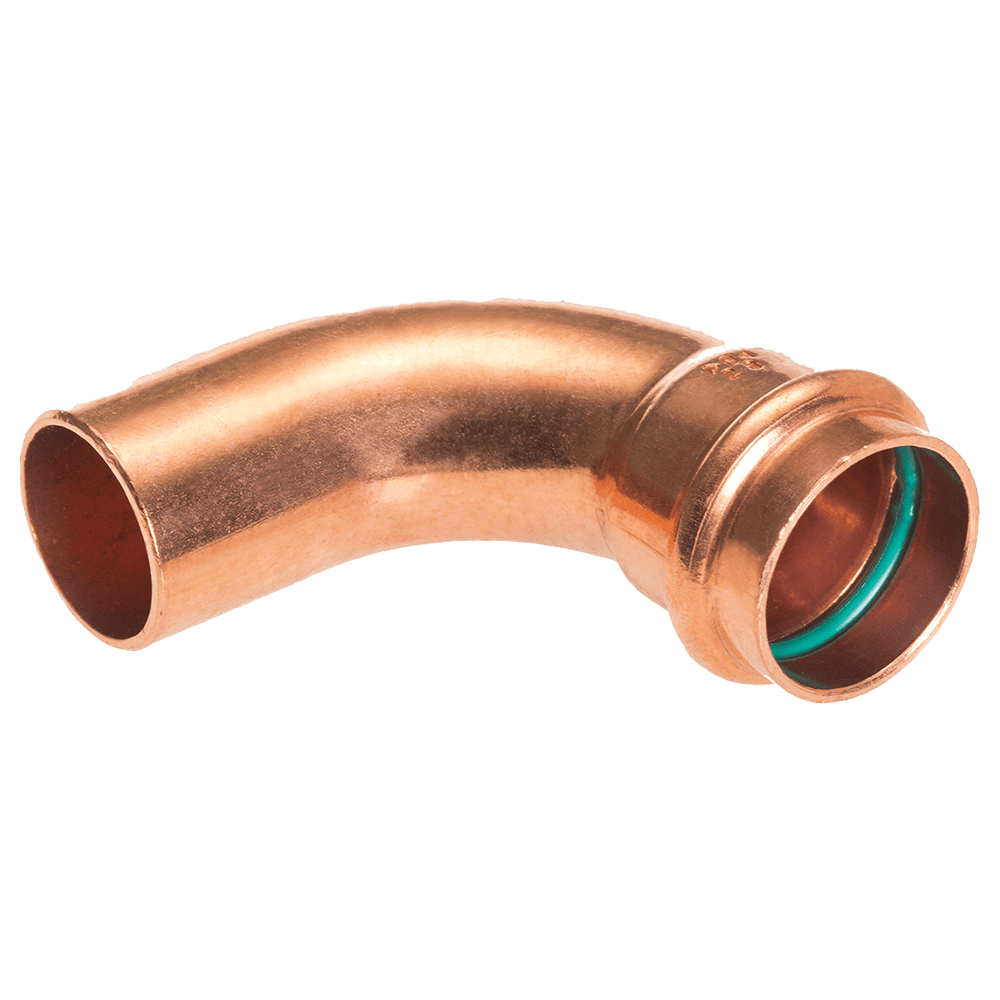
>B< Press – the copper classic
Copper remains one of the best and most reliable choices for heating and plumbing installations.
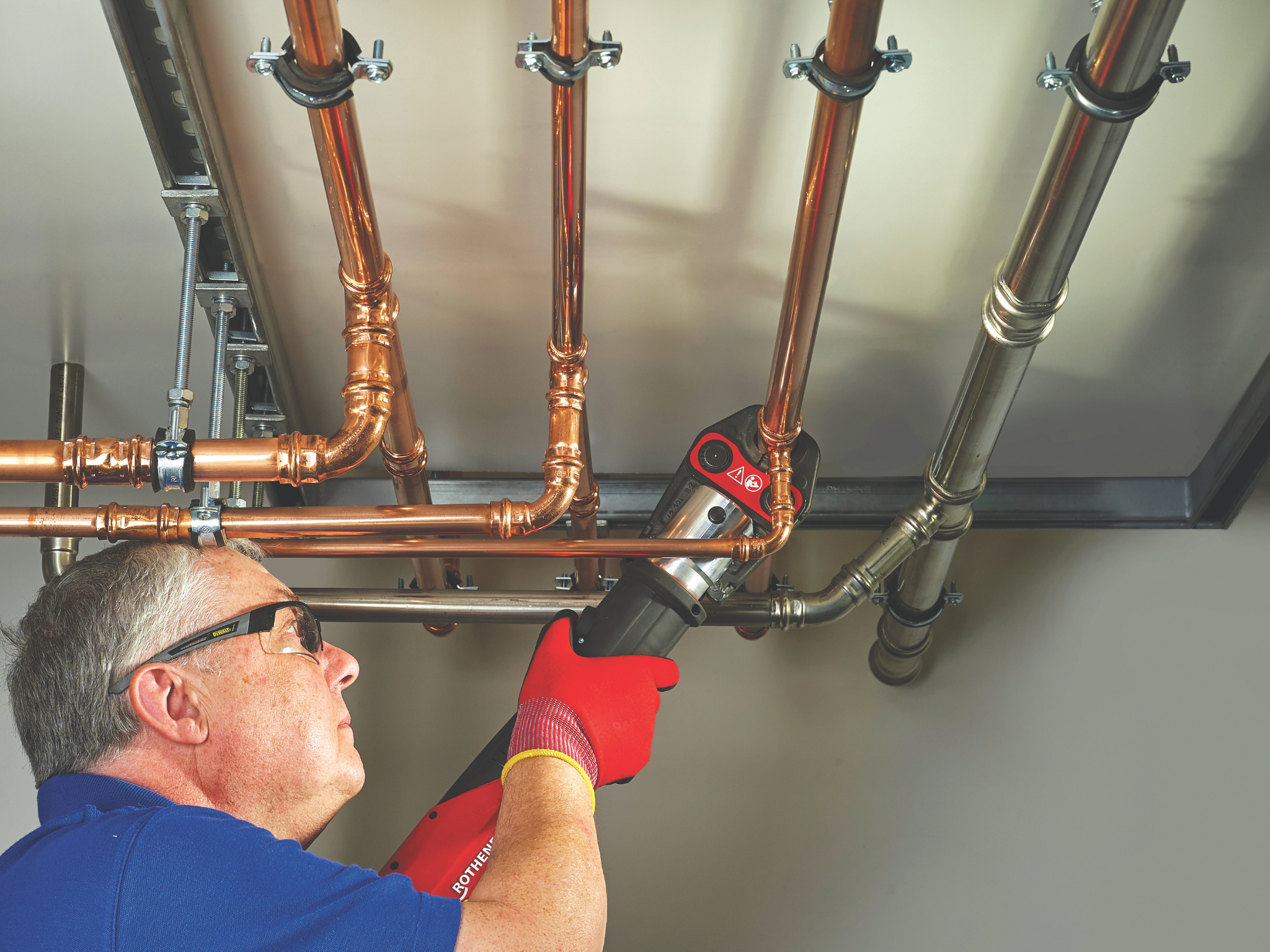
The >B< Press system combines proven copper performance with modern flame-free press technology.
Why it’s worth choosing:
-
high temperature resistance (up to 110°C),
-
excellent durability and corrosion resistance,
-
fast installation without the use of an open flame,
-
suitable for heating water, chilled water and solar installations,
-
25-year warranty on fittings.
Applications:
Central heating systems, domestic hot water, solar installations and cooling systems in residential and commercial buildings.
Key feature:
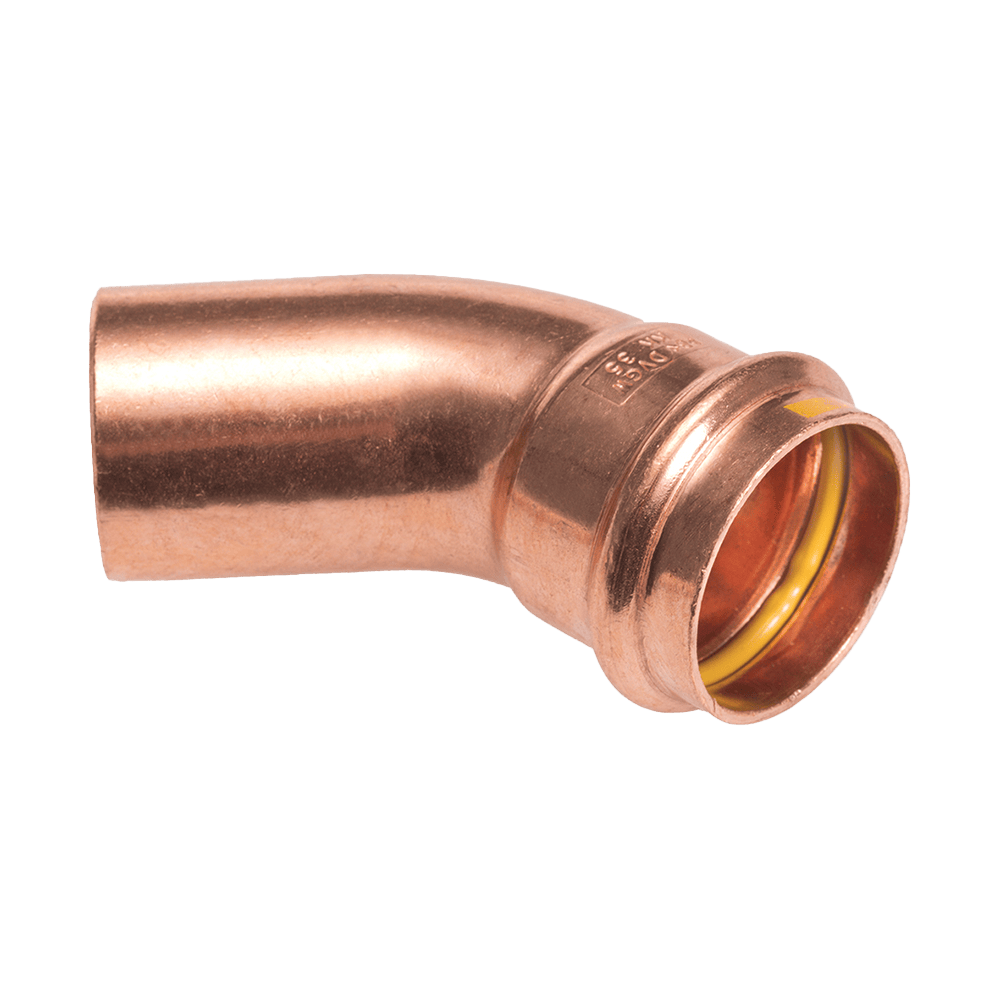
EPDM O-ring with Press Indicator (PI) – enables easy leak detection and identification of unpressed joints during pressure testing.
>B< Press Carbon – steel for large-scale heating installations
For larger installations—such as boiler rooms, industrial halls or public buildings—>B< Press Carbon is the recommended solution.
This is a press system made from zinc-coated carbon steel, designed specifically for closed-loop heating, cooling and renewable energy systems.
Advantages:
-
high mechanical strength,
-
resistance to pressure and temperature fluctuations,
-
protective zinc coating,
-
press sizes available up to 108 mm.
Applications:
Large heating systems, boiler rooms, industrial installations and technical risers.
Important note:
This system is intended for chemically non-aggressive environments and must not be used for potable (drinking) water.
>B< Press Inox 316 – stainless steel for demanding conditions
If a heating installation must operate in an environment requiring high chemical resistance, >B< Press Inox 316 is the best choice.
Material: 316L stainless steel (with molybdenum).
Advantages:
-
excellent corrosion resistance,
-
wide operating temperature range: up to 110°C,
-
DVGW, WRAS, KIWA and PZH certifications – suitable also for potable water,
-
versatile use: heating systems, solar installations, domestic hot water systems.
In practice:
Ideal for installations exposed to variable or aggressive conditions – such as closed-loop boiler rooms, commercial facilities or systems operating with glycol.
Requires B-profile (V-profile) press jaws for installation.
<A> Press Inox 304 – an economical stainless-steel alternative
Not every installation requires the full chemical resistance of 316L stainless steel.
For standard heating and water systems, <A> Press Inox, made from 304 stainless steel, is an excellent and cost-effective option.
Advantages:
-
lower cost while maintaining high quality,
-
fast, flame-free installation,
-
ideal for central heating and technical water systems (not suitable for potable water).
Good to know:
For heating systems operating under stable conditions (<100°C), 304 stainless steel is a durable and economical solution and can be pressed using standard M-profile jaws.
>B< Flex – flexibility and reliability
The >B< Flex system is a line of press fittings and multilayer pipes designed for fast installation in cold and hot water systems, as well as heating installations.
Thanks to brass bodies and stainless-steel sleeves, the fittings provide high leak-tightness, while the flexible pipe system makes installation easier in confined or hard-to-reach spaces where rigid piping is difficult to route.
Advantages of >B< Flex:
-
resistance to temperature and pressure,
-
fast installation without soldering,
-
ideal for system modernisation and equipment connections,
-
compatible with multiple press jaw profiles: U, TH, H, F, L, RZ.
Series 4000 – the classic choice for brazing fittings
Series 4000 consists of red brass capillary fittings designed for both soft and hard brazing.
For years they have been the go-to solution for installers who value durability and reliability in heating, water and gas systems.
Advantages of Series 4000:
- made from corrosion-resistant red brass CC499-DW,
- wide range of sizes and shapes,
- compliant with European quality standards.
Applications: heating, solar, water and cooling installations where high temperature resistance and long-term durability are required.
Series 5000 – precision and durability combined
Series 5000 is a line of traditional copper solder fittings.
Designed for installation with soft or hard solder, they perform exceptionally well in systems requiring high operating parameters.
Advantages of Series 5000:
- high-quality copper,
- excellent capillarity ensuring tight, secure joints,
- durability at elevated temperatures,
- compatibility with copper pipes manufactured to European standards.
Applications: central heating systems, domestic hot water, solar installations and cooling systems – especially where high pressure resistance is essential.
Summary
- Choose the system not only based on pipe size, but also on the medium and operating conditions.
- Opt for press technology when possible – it provides fast installation and eliminates the risks associated with open flames.
- Use systems featuring Press Indicator (PI) to save time during pressure testing.
- For installations exposed to moisture or aggressive environments, stainless steel is the most reliable choice.
Related News
News
30 Jun 2026
How to choose the right press jaws and press tool for press systems
News
01 Jun 2026
K65 in 2 5/8″ size – new opportunities for large CO₂ installations
News
30 Apr 2026