

Tradition vs. innovation. What you should know about soldering and pressing.
Soldering – a proven method, but is it always the best?
Although soldering has been used for many years, it comes with several challenges.
It requires specialised skills — creating a correct soldered joint demands precision and experience.
It also involves additional consumables, such as filler materials, fluxes and technical gases, which generate extra costs.
There are also health and safety concerns:
-
harmful fumes produced during the soldering process,
-
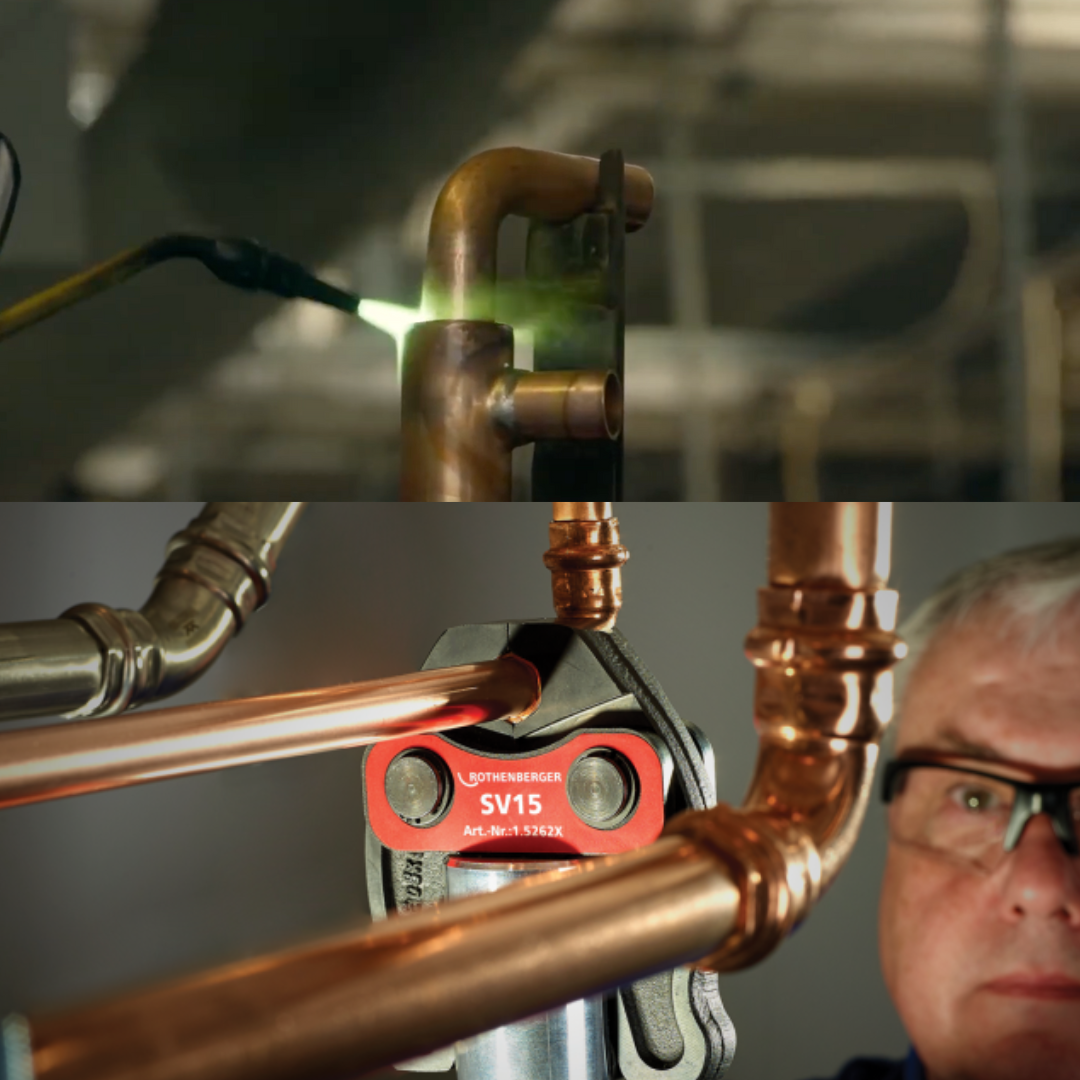
fire risk, as working temperatures reach around 400°C for soft solder and over 800°C for hard solder.
Soldering also takes more time. The process requires thorough surface preparation, controlled heating to the correct temperature and sufficient cooling. All of this significantly extends installation time.
Advantages of soldering:
-
Strength and durability – properly executed soldered joints are resistant to high temperatures and pressure.
-
Wide range of applications – suitable for water, heating and gas installations.
-
Use in specialized industrial applications or where unusual or custom fittings are required.
Pressing – a modern and fast connection method. How does it work?
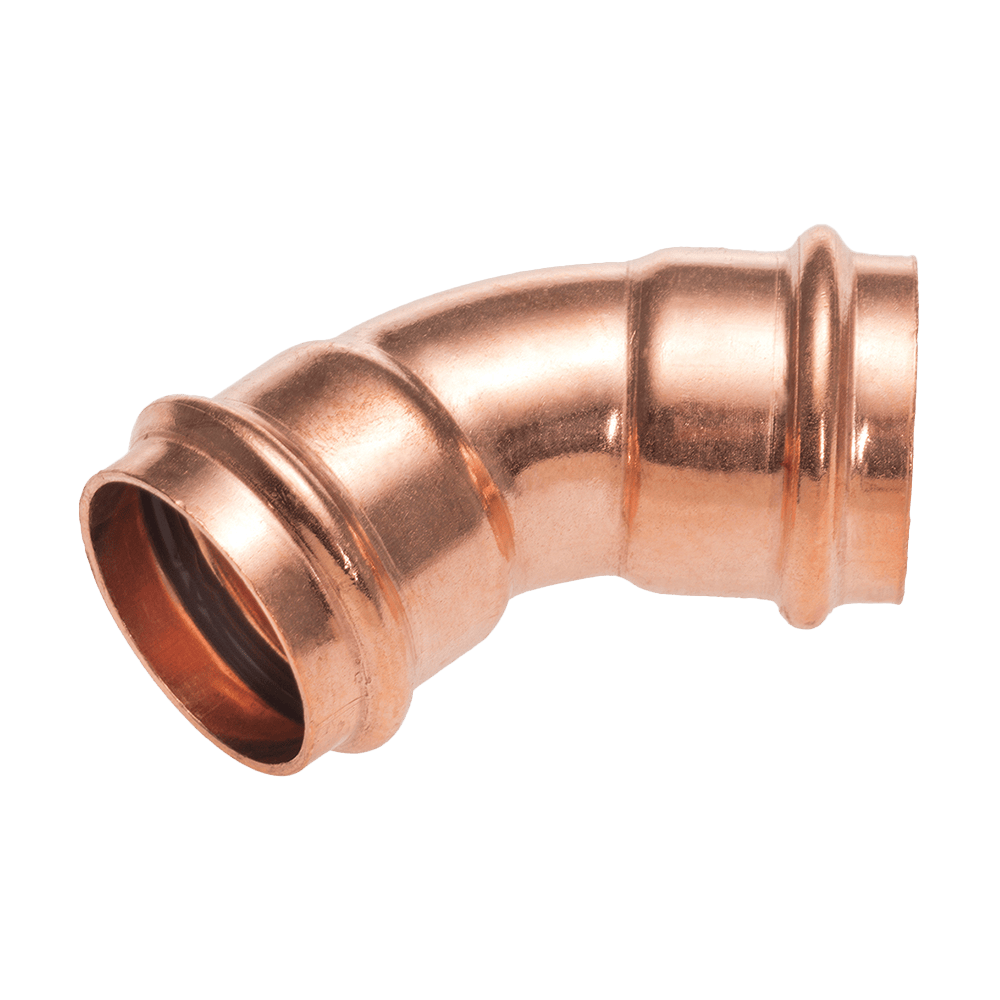
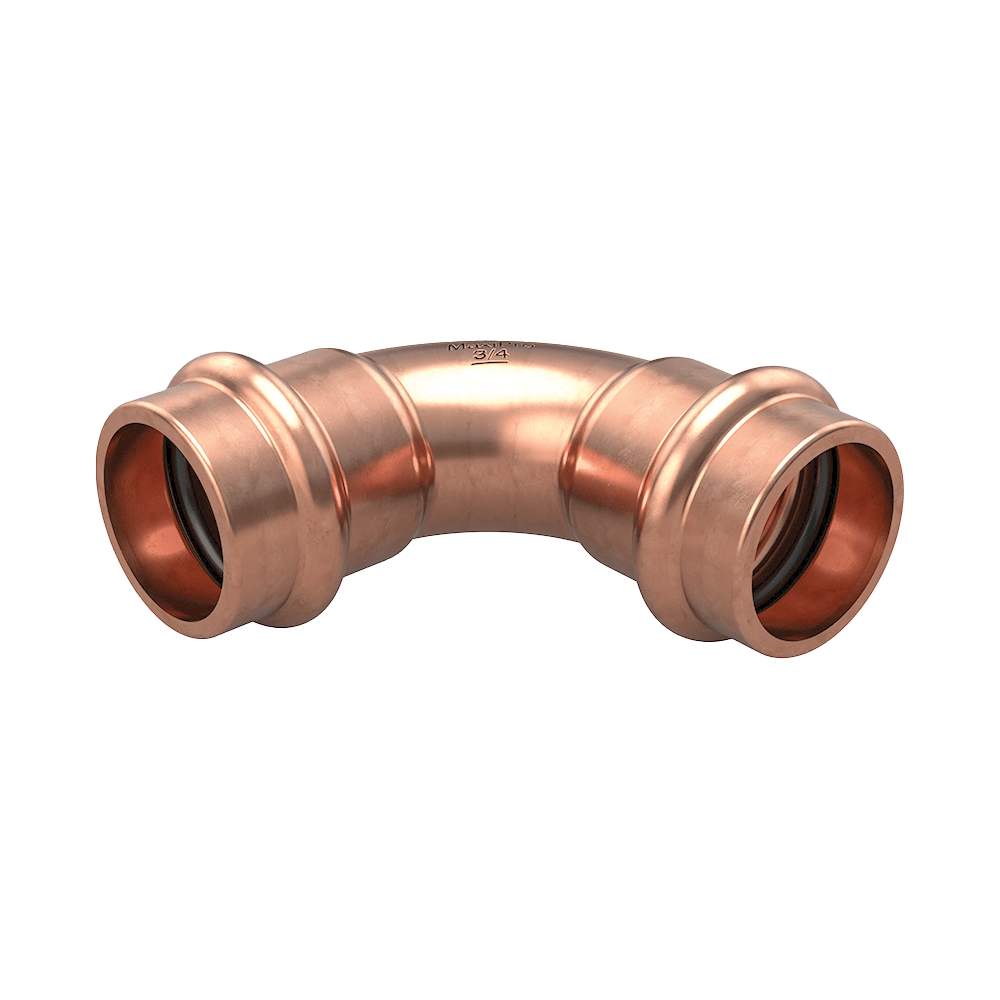
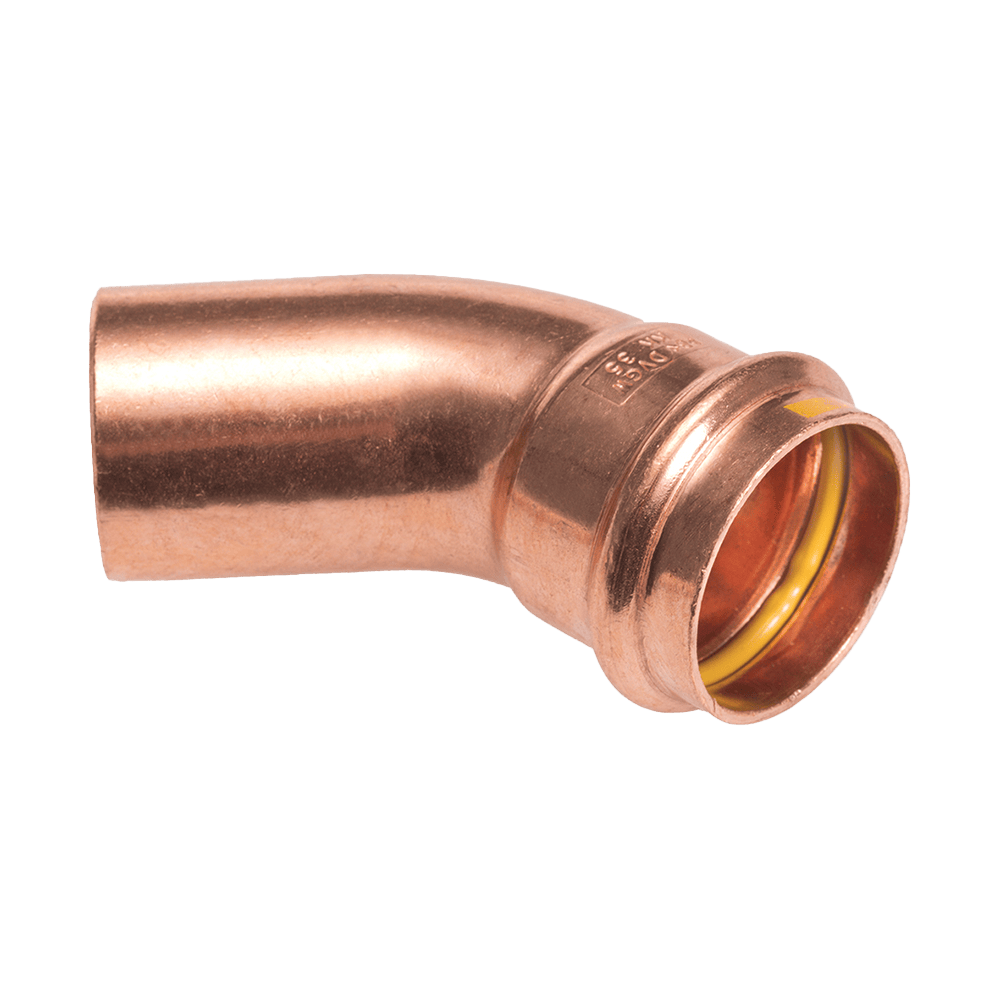
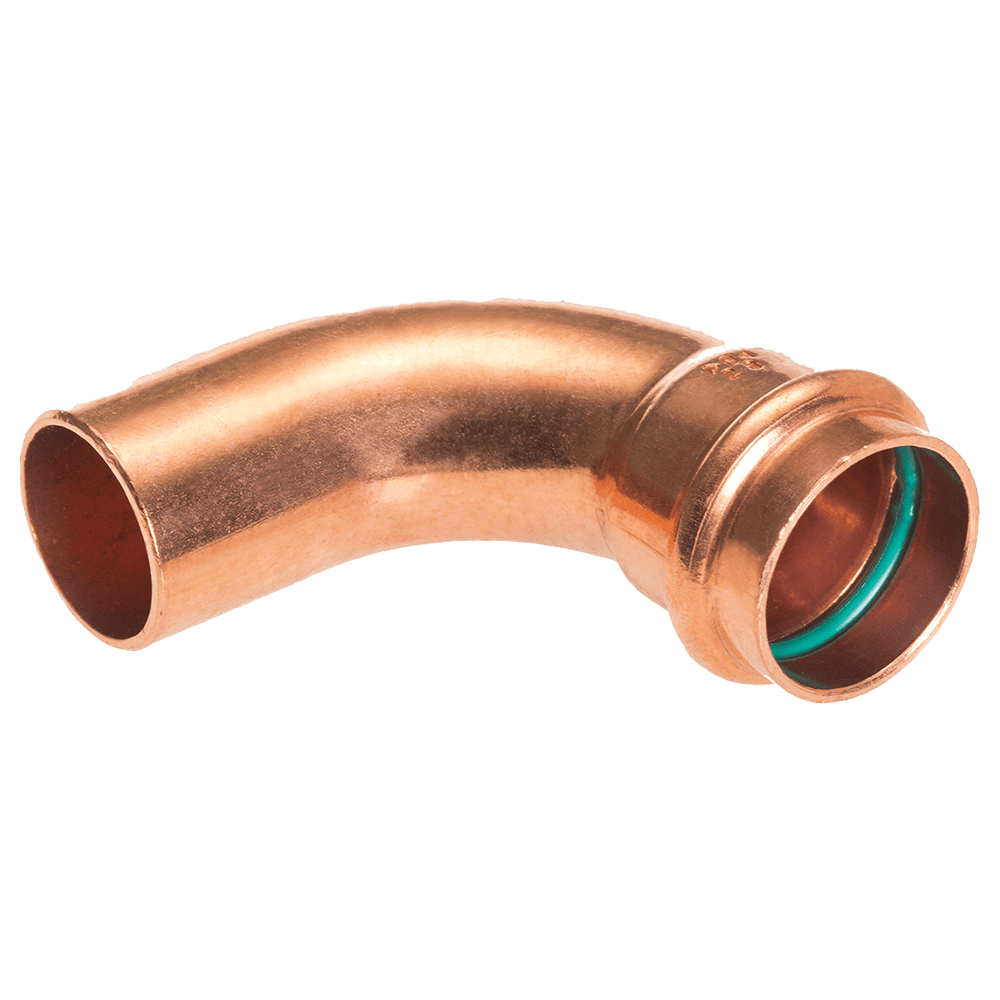
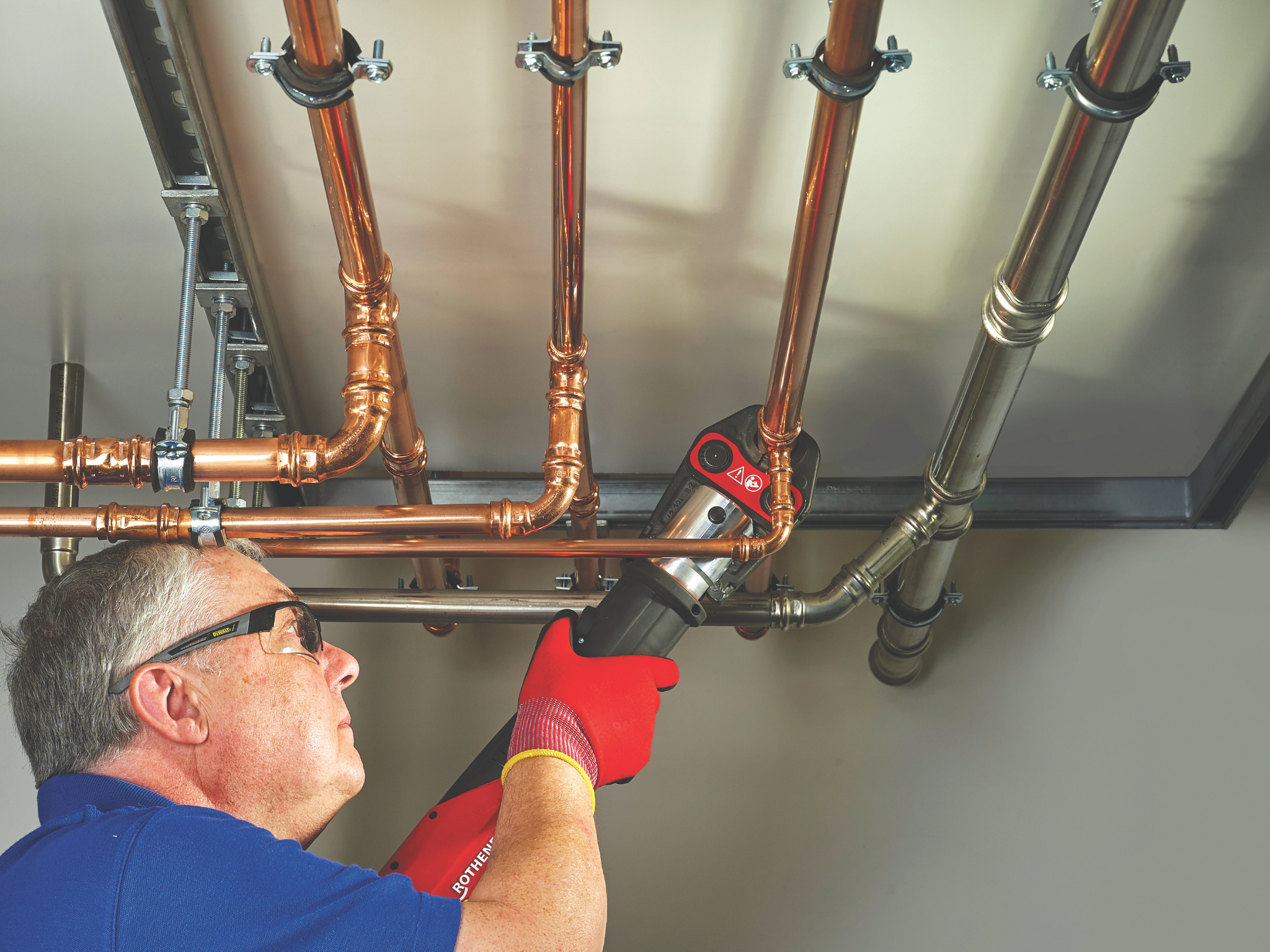
Pressing is a mechanical method of joining pipes, in which the fitting is compressed onto the pipe using a press tool.
The process is carried out without high temperatures or open flames, which significantly increases installation safety.
Why choose this method?
Fast installation, time savings
Pressing takes only a few seconds, which—compared to soldering—dramatically reduces installation time.
Safety at work
No open flame means no fire risk and no need for hot-work permits.
This is especially important during renovations in residential buildings, historic structures, fire-sensitive environments or areas with limited ventilation.
Simplicity and convenience
The installer does not need years of experience to make a correct joint.
Pressing allows the work to be completed during normal operating hours without isolating or shielding large work zones, improving project scheduling.
Press systems are backed by long manufacturer warranties—often up to 25 years.
Conex Bänninger also offers free installer training, certified upon completion.
Clean and environmentally friendly
No fluxes or solder means no emission of harmful substances.
Pressed fittings generate fewer contaminants than traditional soldering, reducing the risk of pump failures, blocked valves or compressor damage.
Soldering releases harmful fumes due to the combustion of gases such as oxy-acetylene or natural gas.
Pressing eliminates potentially dangerous gas mixtures by relying solely on a mechanical connection.
Reliable tools and jaws
Press tools and compatible jaws provide strong, durable and repeatable connections.
Aesthetic finish
Press systems allow installations to become visually appealing elements of interior design.
Additional information
-
Press fittings are suitable for HVAC and water installations within a temperature range of –40°C to 110°C
(always check application limits for each product range on our website). -
Fittings are available in many sizes and materials:
-
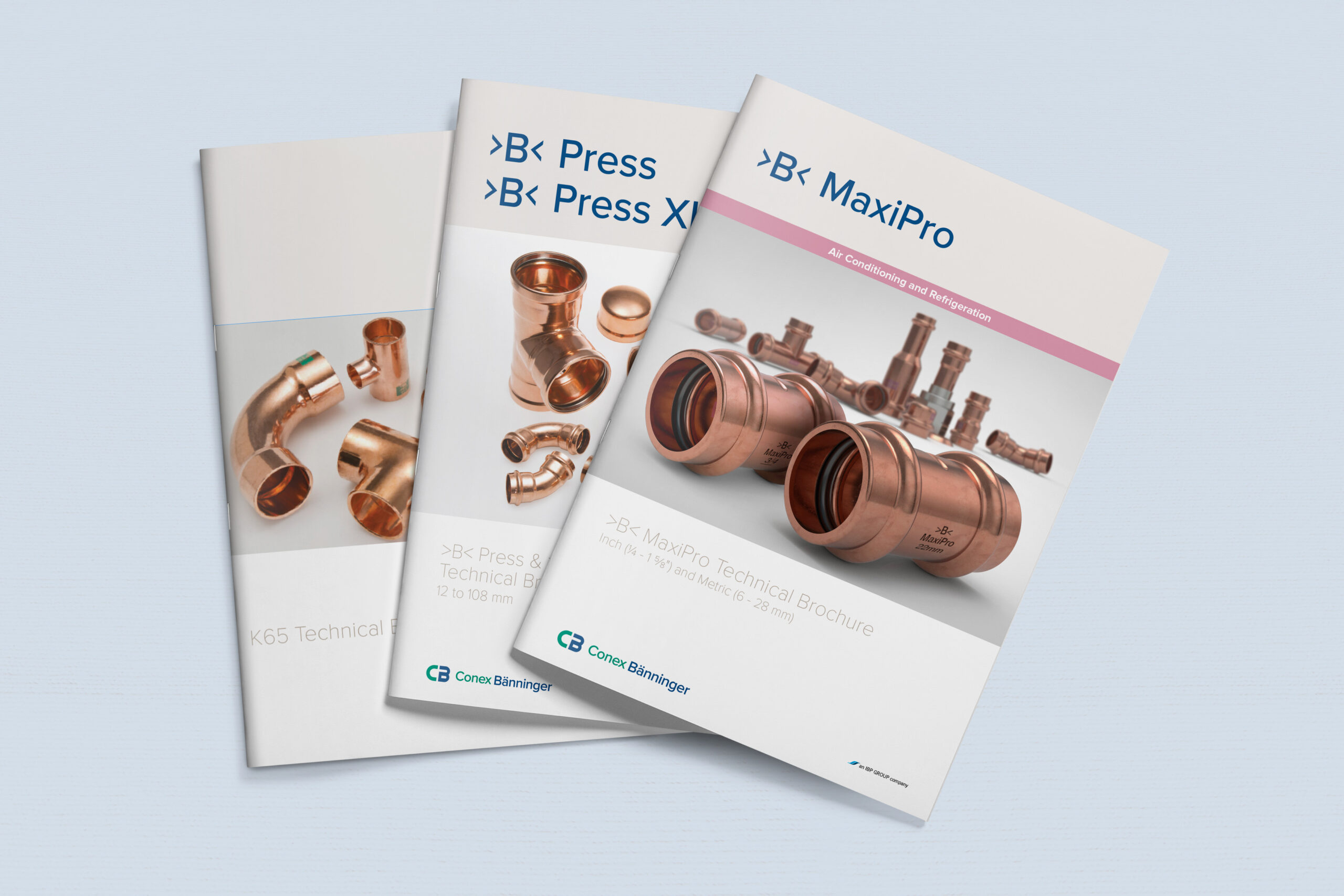
Copper >B< Press: 12 mm to 108 mm
-
Stainless steel >B< Press Inox and <A> Press Inox: 15 mm to 108 mm
-
Carbon steel >B< Press Carbon: 15 mm to 108 mm
-
>B< MaxiPro for refrigeration:
-
Imperial sizes: 1/4″ to 1 5/8″
-
Metric sizes: 6–28 mm
-
-
-
Pressing ensures consistent connection quality.
-
You can visually inspect whether a joint has been correctly pressed.
-
After just a few seconds, the connection is ready for pressure testing.
-
No risk of overheating the material.
What else should you know about pressing?
Initial cost
The method requires an investment in press tools, but the cost is quickly offset by installation speed and reduced labour time.
Use of dedicated fittings
Not all materials are compatible; it is essential to use fittings specifically designed for the required application.
Installation time – the numbers speak for themselves
Press systems have revolutionised the way installations are assembled, introducing innovations that traditional methods simply cannot match.
Most importantly, they have significantly reduced installation time.*
Connection time (15 mm diameter)*:
Press connection / >B< Press 140 seconds
Soldered connection / Conex Bänninger 220 seconds
*internal analysis
In practice, this means that an installer using a press system can make up to 11 connections in the time it takes to complete 7 soldered connections.
This difference has a clear impact on work efficiency and project completion times — allowing installers to handle more jobs in the same amount of time.
Soldering or pressing – which should you choose?
The choice depends on the specifics of the project and the installer’s priorities.
-
If you need a durable, fast and safe connection that can be made even in challenging environments — pressing is the best option.
-
Need to assemble an installation quickly and without using an open flame? Choose pressing.
-
Don’t have access to a press tool but have experience with soldering? Then the traditional method may work better.
-
Working in a place where an open flame poses a safety risk? Pressing is the safer choice.
Both methods have their place in the installation industry — the key is to match the technology to the requirements of the project and the working conditions.
If you have questions about joining methods, systems or specific fittings, feel free to contact us:
e-mail: [email protected]
Related News
News
30 Jun 2026
How to choose the right press jaws and press tool for press systems
News
01 Jun 2026
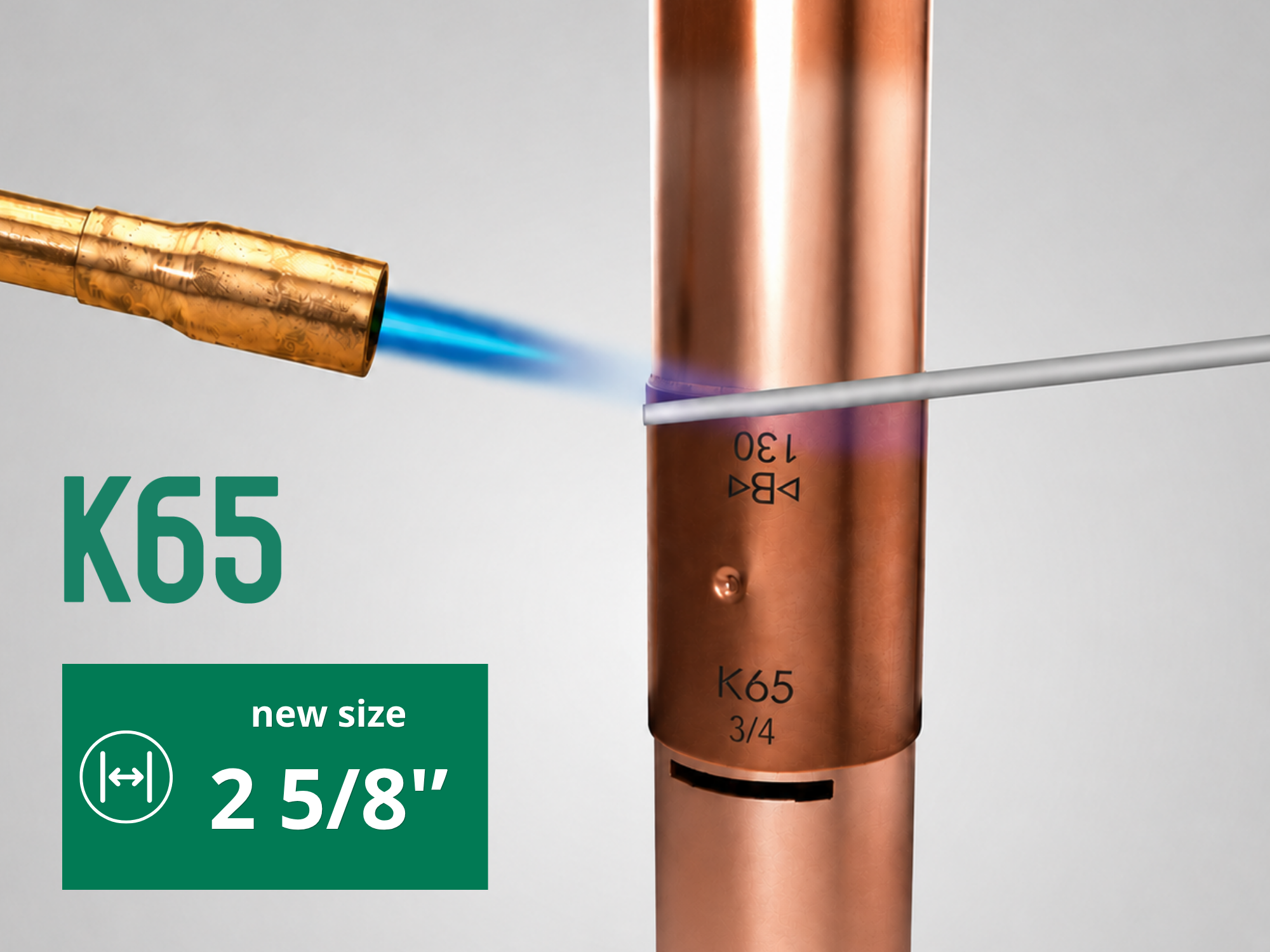
K65 in 2 5/8″ size – new opportunities for large CO₂ installations
News
30 Apr 2026